In Japan’s logistics hubs, demand for reliable staff keeps climbing as e-commerce expands and the population ages. Warehouse Jobs in Japan remain accessible to newcomers, including candidates with limited Japanese, provided safety basics and instructions are understood.
Many employers now mix automation and standardized processes, yet staffed roles still anchor picking, packing, inventory control, and shipping.
Entry routes range from part-time shifts to full-time roles with progression into team lead, supervisor, or specialist posts.
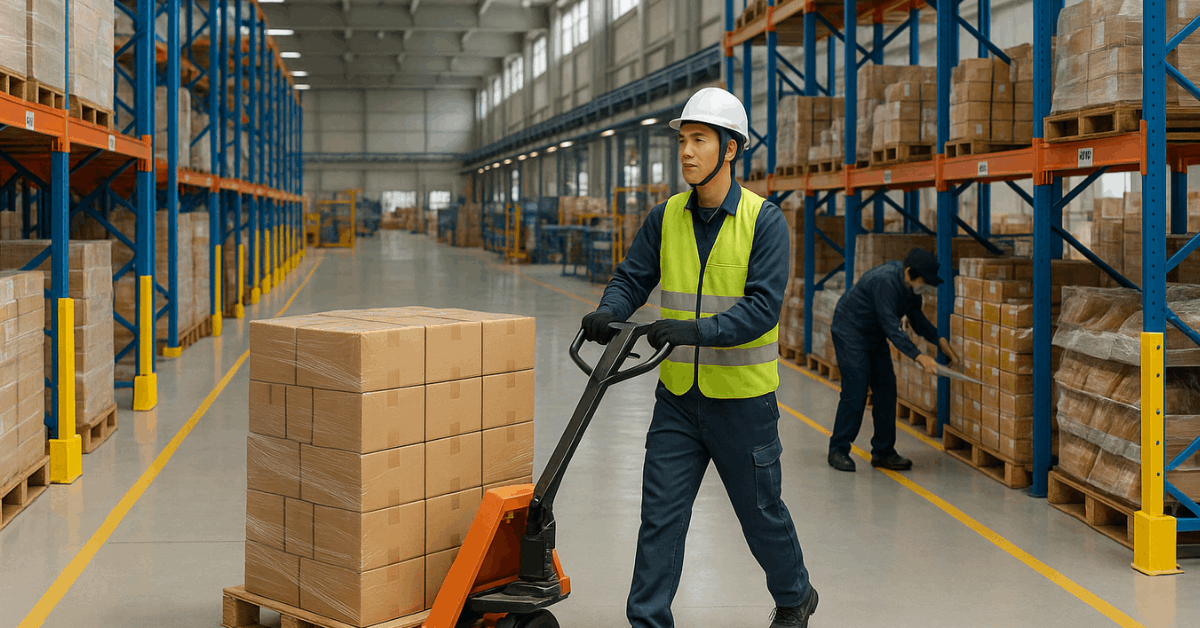
Why Warehouse Hiring Keeps Growing
Increased online shopping pushed more volume into distribution centers, cross-docks, and last-mile nodes.
Major parcel carriers handle record flows during peak seasons, and third-party logistics firms add capacity for retailers that lack in-house warehousing.
Hiring spikes ahead of big retail moments, followed by stable baseline demand the rest of the year. Expect more automation at larger sites, although person-to-person coordination still drives receiving, exception handling, and quality checks.
Common Roles and What They Do
Hiring spans generalists and specialists who keep goods moving to schedule. The roles below are typical across third-party logistics providers, in-house retailer facilities, and regional depots.
Pay scales vary by employer size, location, shift, and certification requirements. Clear safety habits, consistent attendance, and workable Japanese for instructions increase success, even in entry roles.
Warehouse Associate
Generalists who stage, sort, and store products, then pull items for outbound lanes. Accuracy, safe handling, and steady pace keep lines fed and trucks on time.
Inventory Control Specialist
Custodians of stock accuracy who cycle-count locations, reconcile variances, and track slow movers. Basic spreadsheet proficiency and scanner familiarity are routinely requested.
Forklift Operator
Licensed drivers who move pallets and bulk items inside racks and staging areas. Many ads specify a forklift license Japan recognizes under national safety rules, often tied to load class and equipment type.
Picker and Packer
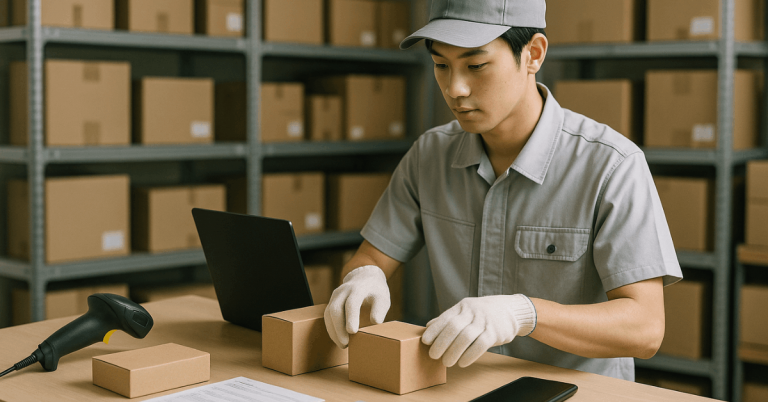
Order pickers retrieve items by scanner prompts, then packers protect goods for transit and verify labels. Attention to detail and predictable pacing reduce shipping errors and returns.
Shipping and Receiving Clerk
Gatekeepers for inbound and outbound. Tasks include checking manifests, logging exceptions, and coordinating with carriers to prevent dock congestion.
Qualifications, Skills, And Certifications
Facilities recruit for trainable reliability first, then build job-specific skills on-site. Most teams expect basic Japanese for safety briefings, equipment tags, and line supervisor instructions.
Conversational ability remains helpful, yet many tasks rely on standardized symbols, color codes, and handheld scanner prompts. Employers favor candidates comfortable with handheld devices and basic spreadsheets to track putaway, replenishment, and cycle counts.
Physical capacity to lift, push, and stand for stretches is commonly screened, along with grip strength for manual handling. Forklift operation requires regulated training, and larger sites often add modules for reach trucks, order pickers, or pallet jacks.
Japanese Language Proficiency
Basic commands, safety keywords, numbers, and item descriptors tend to be sufficient for many entry tasks. Steady improvement unlocks coordinator and lead roles over time.
Technical Skills
Scanner workflows, pallet wrapping, dunnage use, and simple packing SOPs appear in onboarding. Upskilling into powered equipment typically follows solid attendance and safety records.
Education
A high school diploma helps, although performance on the floor normally outweighs formal credentials at the entry level.
Physical Fitness
Conditioning reduces injury risk. Proper lifting technique, hydration, and warm-ups matter during peak weeks.
Finding Warehouse Jobs In Japan
Major job portals, dispatch firms, and specialist agencies carry steady listings all year. Recruiters screen for availability, shift flexibility, and basic Japanese.
Agencies brief candidates on site rules and PPE, then place workers where skills fit immediate demand. Direct employer applications also work for candidates near a specific facility or brand.
Job Portals and Agencies
Listings on GaijinPot Jobs show foreigner-friendly roles across pick, pack, inventory, and forklift shifts.
Pasona and Recruit group companies maintain dispatch pools for seasonal surges. Search interest for logistics jobs in Tokyo tends to spike before peak shipping periods, and Daijob warehouse roles appear under logistics or manufacturing categories.
Networking and Job Fairs
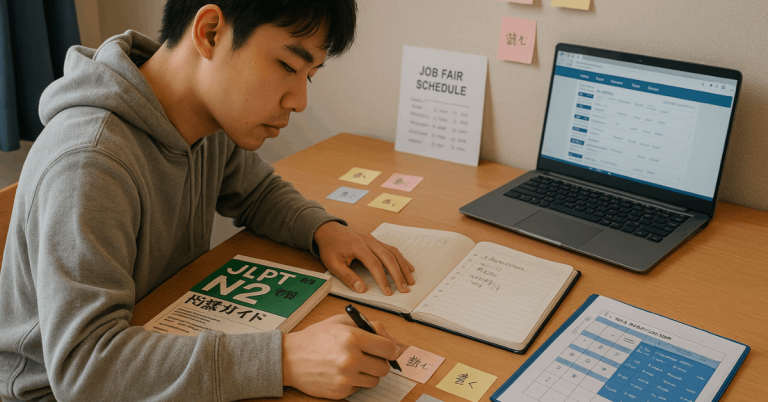
Meeting onsite managers at local job fairs helps uncover urgent fills. Brief, specific introductions work best, for example, recent roles, certifications, and shift availability.
Application Process
Concise resumes that highlight hours handled, equipment, and safety record move fastest. Attendance reliability, scanner proficiency, and any language certifications should be visible in the top third of the page.
Resume and Cover Letter Tips
HR teams skim quickly, so front-load concrete details aligned to the posting. Keep formatting simple, avoid dense blocks, and quantify throughput or error rates when possible.
Cover letters should mirror the job’s vocabulary, reference matching experience, and state shift range and start date clearly.
Tailor Your Resume
Lead with role titles, sites, and dates, then list equipment and software in a single line. Simple metrics help, for example, average lines per hour, picks per shift, or shrink reduction.
Write A Focused Cover Letter
Two short paragraphs suffice. State the role, location, shift flexibility, certifications, and one or two outcomes that map directly to the JD.
Challenges and Practical Tips
Peak weeks test stamina and focus, and night rotations can disrupt sleep. Clear routines, hydration, and scheduled breaks maintain output across long shifts. Language gaps are manageable when essential terms are learned early.
- Physical Demands: Build endurance gradually, use proper lifting mechanics, and rotate tasks when offered.
- Long Or Irregular Hours: Protect sleep, plan meals ahead of night rotations, and track commute time.
- Language Barriers: Memorize safety terms, item categories, and scanner prompts to reduce errors quickly.
- Adapting To Japanese Work Culture: Show up early, keep work areas tidy, and confirm instructions to avoid missteps.
- Repetitive Tasks: Set pace targets, ask for cross-training when eligible, and monitor small wins during peak days.
Work Environment In Japanese Warehouses
Sites emphasize punctual starts, choreographed breaks, and clear lineside communication.
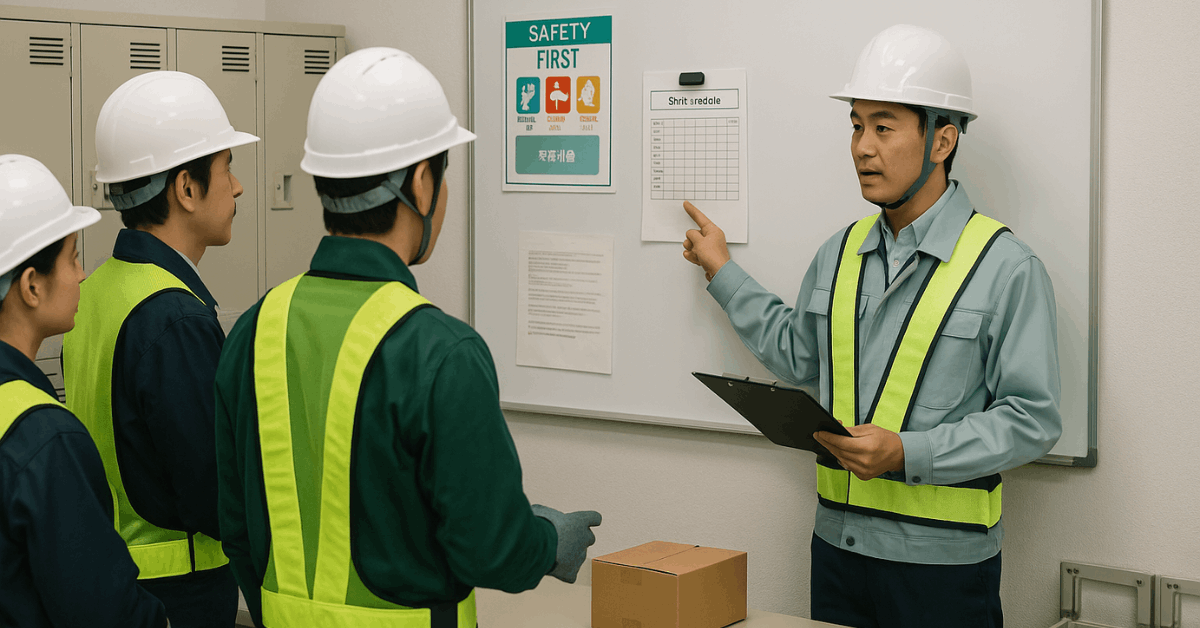
Morning meetings cover safety alerts, volume forecasts, and special handling notes for fragile or regulated items. Uniforms, gloves, safety shoes, and ear protection are frequently required.
Many facilities operate clean, well-signed aisles, with proactive 5S practices to keep tools and materials accessible. Collaboration remains the norm, and constructive feedback loops between pick, pack, and ship reduce defects.
Visas and Eligibility Snapshot
Policy makers expanded the Specified Skilled Worker route to address labor gaps in logistics and manufacturing.
The Tokutei Ginou visa ties placement to tests and employer sponsorship, and pay must align with that of local Japanese employees in similar roles
Technical Intern pathways remain in use, although employers increasingly convert reliable interns into longer-term hires where policy allows. Document readiness, language basics, and a clean safety record shorten onboarding timelines.
Career Paths and Advancement
Many newcomers start as pickers or packers, then step into inventory control or dock coordination once metrics stabilize.
Shift lead roles typically require dependable attendance, safety influence, and workable Japanese for team briefings.
Supervisors manage KPIs, staffing, and exception escalations, while inventory managers handle audits, replenishment logic, and system hygiene. Quality specialists track defect types, conduct root cause reviews, and deploy preventive actions across zones.
How To Move Up
Volunteer for cycle counts, dock checks, or safety walk-throughs. Complete forklift training promptly, then add reach truck or order picker modules.
Keep a simple log of output, error rates, and ideas implemented, since tangible wins support promotion cases.
Salaries and Benefits
Compensation varies by role, region, shift pattern, and certification.
Benchmark sources place average annual pay for general warehouse workers roughly in the mid three-million-yen range, with entry levels closer to the mid twos and experienced staff near the low fours.
Representative Salary Ranges, Annual (JPY)
| Role | Typical Range |
| Entry-Level Packer | ¥2.5m–¥3.0m |
| Forklift Operator | ¥3.0m–¥3.5m |
| Quality Control Specialist | ¥3.5m–¥4.0m |
| Shipping Coordinator | ¥3.2m–¥3.8m |
| Inventory Manager | ¥4.0m–¥4.8m |
Typical Pay Bands And Employment Types:
| Category | Common Pay Band | Notes |
| Full-Time Employee | ¥3.0m–¥4.0m | Stable schedule, biannual bonus in many firms |
| Temporary/Dispatch | ¥1,200–¥1,800 per hour | Overtime premiums apply during peaks |
| Part-Time | ¥1,000–¥1,400 per hour | Flexible shifts, limited benefits |
| Fixed-Term/Seasonal | ¥270,000–¥350,000 per month | Often includes housing support near large sites |
| Specified Skilled Worker (SSW) | Market-aligned | Pay must match comparable local roles under policy |
Market data also references warehouse picker salary at the lower end of the full-time band, then converges on forklift rates once equipment certifications are added.
Bonuses, paid vacation, health insurance enrollment, and retirement contributions appear widely at larger employers, although specifics depend on contract type and tenure.
Safety and Training
Industrial safety rules govern forklift operation, fall protection at height, and equipment maintenance.
Employers must train staff before powered equipment, then document competencies. Refresher briefings and near-miss reporting reduce injury risks and downtime.
Clear signage, load charts, and stable stacking are non-negotiable in pallet areas, and team lifting remains standard for heavier items.
Regional Notes
Greater Tokyo, Osaka-Kobe, and Nagoya host dense networks of fulfillment centers, last-mile depots, and port-linked facilities.
Hiring remains steady around these nodes, yet many regional towns also post needs near expressways and new logistics parks. Cost of living and commute time influence take-home value, so candidates commonly compare net pay after rent and transit.
Quick Start Plan
Set a realistic shift preference, then gather identification, residence information, and any equipment certificates. Prepare a compact resume that lists roles, dates, equipment, metrics, and languages.
Target agencies and employer portals in the region, then attend a job fair to meet managers directly. Track applications in a simple spreadsheet, respond quickly to interview invitations, and arrive ten minutes early for site tours.
To Sum Up
Stable hours, predictable routines, and clear pathways into lead roles make these positions a practical on-ramp to Japan’s labor market.
Skills compound quickly, especially after adding certified equipment and basic coordinator duties.
Continued e-commerce growth suggests durable demand, and consistent attendance plus safe habits typically bring measurable raises within a year.