Cleaning jobs in Japan offer steady work with clear expectations and structured schedules.
You are usually paid hourly, and your salary depends on location, shift time, and the type of facility you clean.
This guide explains what you can realistically expect in terms of pay, hours, and working conditions.
Understanding Cleaning Jobs in Japan
Cleaning jobs focus on maintaining high hygiene standards in workplaces and public spaces.
- You are expected to follow routines, work efficiently, and respect strict cleanliness rules.
- You clean offices, hotels, hospitals, factories, or residential buildings depending on the assignment
- Tasks usually include sweeping, mopping, trash collection, restroom cleaning, and surface wiping
- Work follows clear schedules with specific areas assigned to you
- Quality and consistency matter more than speed
- Most roles are entry-level and do not require prior experience
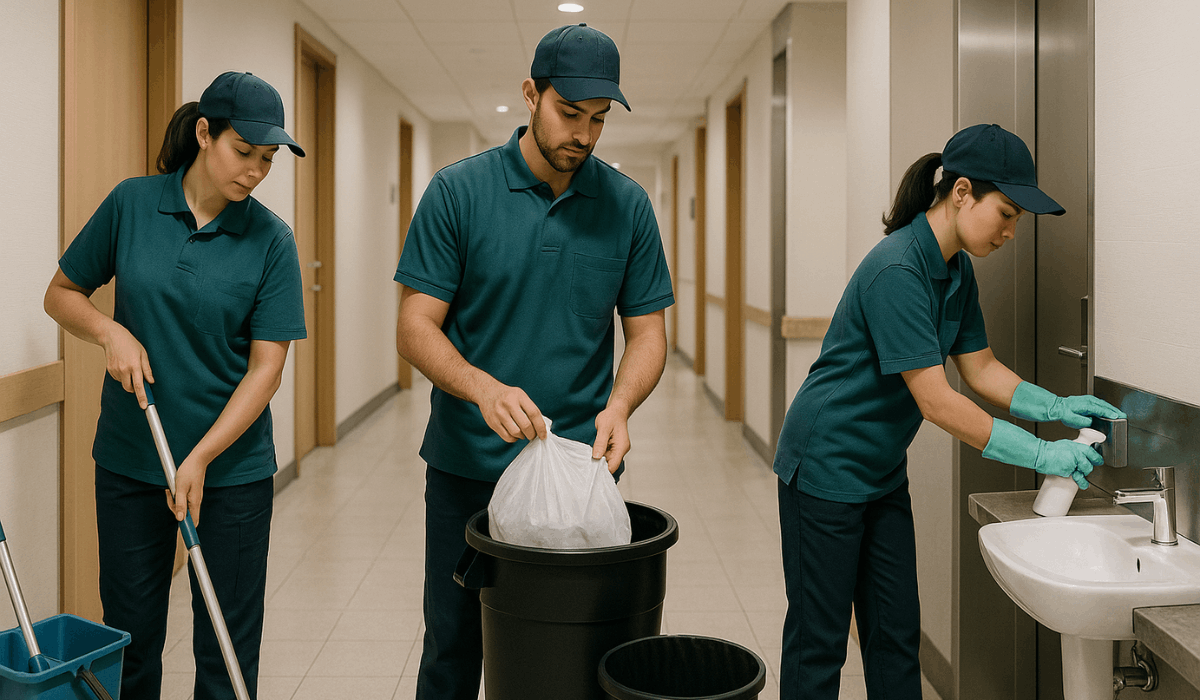
Common Types of Cleaning Jobs
Cleaning work is available across many facilities, and each type has different duties and pay levels.
Knowing the job category helps you choose a role that fits your schedule and physical capacity.
- Hotel Cleaning – Involves guest rooms, bathrooms, and common areas with fixed schedules and strict standards.
- Office Cleaning – Focuses on desks, floors, restrooms, and shared spaces, usually before or after business hours.
- Hospital Cleaning – Requires higher sanitation levels and careful handling of cleaning procedures.
- Factory Cleaning – Covers work areas, equipment zones, and floors in industrial settings.
- Residential Cleaning – Includes apartments or shared housing with lighter tasks and more flexible schedules.
Average Salary for Cleaning Jobs
The roles are usually paid on an hourly basis, and wages depend on location, shift time, and facility type.
Most roles offer stable pay with opportunities to earn more through night work or overtime.
- Hourly Wage – Usually ranges from entry-level rates, with higher pay in large cities and busy facilities.
- Monthly Income – Depends on total hours worked, with full-time roles offering more stable earnings.
- Night Shift Pay – Often includes extra allowances for late-night or early-morning work.
- Overtime Pay – Additional earnings apply when working beyond regular scheduled hours.
Salary Differences by Location
Pay levels for cleaning jobs vary by area due to demand and living costs. Urban centers usually offer higher wages than regional locations.
- Major Cities – Higher hourly pay due to demand and higher operating costs.
- Suburban Areas – Moderate wages with more stable schedules.
- Regional Cities – Slightly lower pay but fewer applicants.
- Rural Areas – Lower wages with limited job openings.
Factors That Affect Your Pay
Cleaning position wages are not fixed and change based on work conditions and job details. Understanding these factors helps set realistic income expectations.
- Work Location – Urban areas and busy districts usually pay more.
- Facility Type – Hospitals and hotels often offer higher rates than offices or residences.
- Shift Schedule – Night, early-morning, and weekend shifts pay more.
- Experience Level – Reliable and experienced workers may receive better rates.
- Employment Type – Full-time contracts often provide more stable income than part-time roles.
Working Hours and Schedules
Work schedules are planned to match facility operations and daily routines. Shifts are structured to keep spaces usable without disruption.
- Early Morning Shifts – Start before regular business hours and end by mid-morning.
- Day Shifts – Run during standard daytime hours with steady workloads.
- Night Shifts – Take place after closing hours and often include higher pay.
- Part-Time Schedules – Short daily hours with flexible availability.
- Full-Time Schedules – Fixed weekly hours with consistent income.
Who Can Apply for Cleaning Jobs
These jobs are open to many applicants, including locals and foreigners with legal permission to work.
Employers usually focus on reliability, punctuality, and availability rather than formal qualifications. Work eligibility and schedule flexibility are the main requirements.
- Foreign Workers – Applicants must hold a valid visa that allows employment.
- International Students – Part-time work is allowed within permitted weekly hours.
- Permanent Residents – No work restrictions apply under residency status.
- Local Residents – Citizens and long-term residents can apply without limitations.
Language Requirements
Basic communication skills are enough for most roles, as tasks are routine and instructions are simple.
Language ability mainly affects training, safety, and daily coordination.
- Basic Japanese – Needed to understand instructions and schedules.
- Simple Vocabulary – Used for tools, areas, and safety notices.
- Listening Skills – Important for following directions and updates.
- Minimal Speaking – Short responses and confirmations are usually enough.
What the Job Is Really Like
Daily work follows clear routines and requires steady physical effort. The role is straightforward but demands consistency and attention to detail.
- Repetitive Tasks – Similar duties are performed each shift.
- Physical Activity – Standing, walking, and light lifting are common.
- Time-Based Work – Tasks must be completed within set time frames.
- Independent Pace – Work is often done alone with limited supervision.
Common Challenges in Cleaning Work
While the work is stable, it comes with practical difficulties that require endurance and discipline. Understanding these challenges helps set realistic expectations.
- Physical Fatigue – Long periods of standing and movement can be tiring.
- Repetitive Routine – Performing the same tasks daily may feel monotonous.
- Time Pressure – Tasks must be finished within strict schedules.
- Early or Late Hours – Some shifts start very early or end late at night.
Benefits of Cleaning Jobs
These roles remain popular because they offer steady work and simple entry requirements. Many workers choose them for reliability and flexible scheduling.
- Stable Demand – Positions are available year-round.
- Simple Entry – Little to no experience is required.
- Flexible Hours – Part-time and off-peak shifts are common.
- Predictable Tasks – Daily duties follow clear routines.
- Quick Hiring – Short application and training periods are common.
- Overtime Opportunities – Extra shifts can increase total income.
- Low Language Barrier – Basic communication skills are usually enough.
How to Find Cleaning Jobs
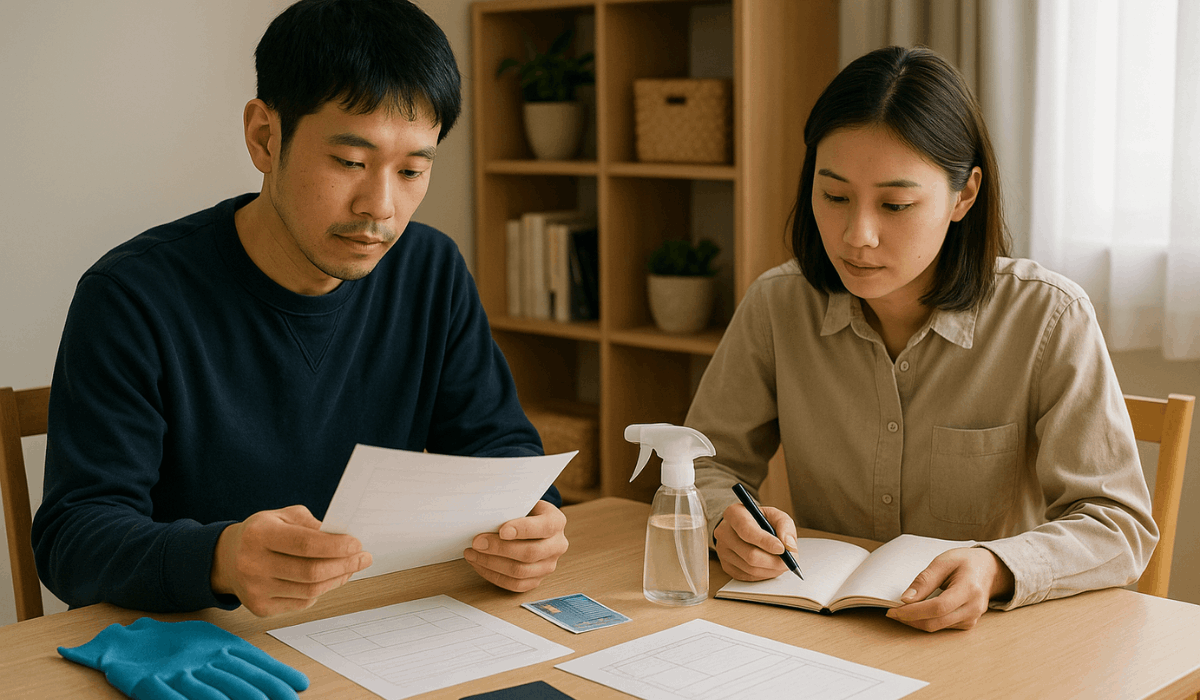
Openings are easy to find through common hiring channels used across Japan. Using multiple options increases your chances of being hired quickly.
- Job Listing Websites – Platforms like TownWork, Indeed Japan, and FromA Navi regularly post openings.
- Dispatch Agencies – Staffing companies connect applicants to nearby workplaces with available shifts.
- Local Postings – Paper notices are often posted in stations, apartment buildings, or supermarkets.
- Referrals – Friends or coworkers already working in the field can recommend openings and speed up hiring.
Tips to Earn More as a Cleaner
Income can increase with smart job choices and consistent performance. Small adjustments in schedule and workplace selection make a difference.
- Night or Early Shifts – Higher pay rates often apply outside regular hours.
- Urban Locations – Central areas usually offer better hourly wages.
- Full-Time Contracts – Stable hours lead to higher monthly income.
- Overtime Availability – Extra shifts add to total earnings.
- Strong Attendance – Reliability can lead to preferred shifts or pay increases.
To Wrap Up
Cleaning jobs in Japan offer stable pay, structured schedules, and steady demand across many locations.
Earnings depend on hours, shifts, and location, so choosing the right setup matters.
Compare available options carefully and apply to roles that match your schedule and income goals