Working in the hospitality sector is a popular option for both locals and foreigners in Japan. Many people search for waiter & waitress jobs in Japan because they offer flexible hours and quick entry.
These roles are accessible even if you’re still learning the language. This guide covers everything you need to know before applying.
What Does the Role Involve?
Waiters and waitresses are essential in any restaurant or cafe setting. In Japan, the job requires attention to detail, speed, and politeness. Your core tasks include welcoming guests, taking orders, and serving food.
Cleaning and resetting tables is also expected. Some places may also assign you cashier duties. Training is usually provided on-site.
Types of Restaurants You Can Work In
Different restaurant types in Japan come with different expectations. Understanding each helps you choose the best job for your situation.
Izakaya – Japanese Pubs
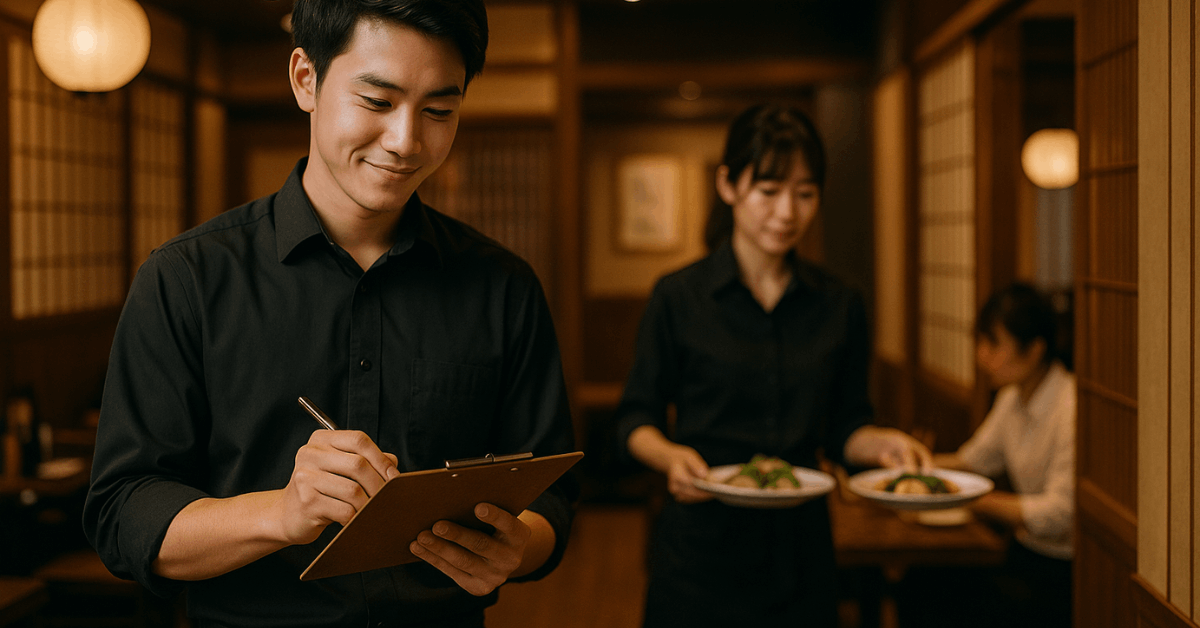
Izakayas are popular for drinking and sharing food. These jobs are fast-paced and usually involve loud, social environments.
You may need to carry heavy trays and memorize many menu items. Japanese fluency is often preferred in these settings.
Family Restaurants
These restaurants are chains with standardized systems. Jobs here are usually structured and easier to learn.
Staff follow manuals and use tablets for order-taking. Good for beginners still learning Japanese.
Specialty Eateries
These include ramen shops, sushi bars, and yakiniku places. Most are smaller in staff and space.
Your tasks may be broader, including prep and cleaning. These places often prefer quick learners who can multitask.
Cafes and Dessert Shops
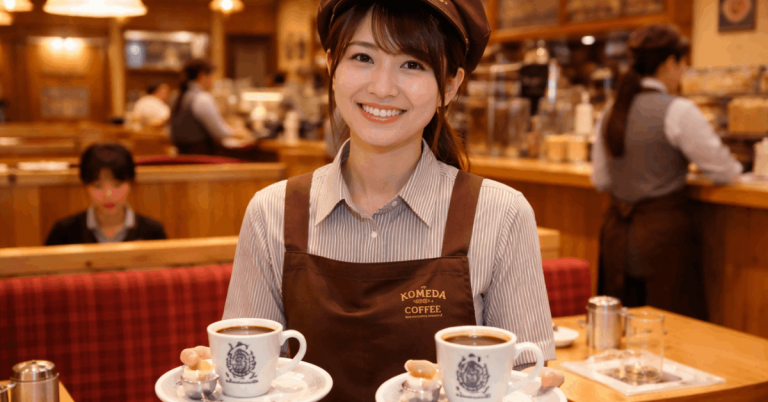
Cafes offer a calmer work setting compared to izakayas. Duties may include making drinks, serving desserts, and keeping the area clean.
Shifts here are popular among students. Japanese skills are helpful but not always required.
Requirements to Get Hired
To land a waiter/waitress job, you need to meet a few minimum standards. These vary depending on the employer, location, and whether you are a foreigner or local. Being ready helps you pass interviews and start work quickly.
Basic Qualifications
Most employers expect:
- Age 18 or older
- Visa with work eligibility (e.g., student, working holiday)
- Conversational Japanese (N4 level or better)
- Polite appearance and punctuality
Documents You Must Prepare
You must submit a few standard documents to get hired. These include:
- Valid residence card with work status
- Copy of health insurance
- Japanese resume (Rirekisho)
- Bank account info for salary deposits
Salary Breakdown by Role and Region
Compensation varies depending on the location, type of establishment, and your experience. Most roles are paid hourly, but full-time options exist.
Entry-Level Waiter/Waitress Salary
If you’re just starting out, here’s what to expect:
- Tokyo: ¥1,200 to ¥1,500/hour
- Osaka/Nagoya: ¥1,100 to ¥1,300/hour
- Rural Areas: Around ¥950 to ¥1,100/hour
Full-Time Employee Compensation
Some restaurants offer permanent positions with monthly pay. This is what full-time workers generally earn:
- ¥180,000 to ¥250,000/month
- Bonuses and paid leave may be included
- Social insurance is sometimes covered
What You Gain From This Job?
This type of work comes with some unique advantages. Many use it as a stepping stone while living in Japan.
- Language immersion: Daily exposure improves your Japanese fast
- Free or discounted meals: A common perk during shifts
- Flexible scheduling: Great for students or side job seekers
- Work experience: Builds your hospitality and teamwork skills
- Promotion paths: Some part-timers become full-time staff
Common Challenges You Should Expect
Jobs in hospitality aren’t always easy. Here are some real challenges that come with being a waiter or waitress in Japan:
- Standing long hours, especially during peak times
- Dealing with strict managers or impatient customers
- Remembering polite forms of speech (keigo)
- Adapting to the culture of silence and perfection
- Handling food orders in fast-paced, high-pressure environments
How to Find Openings?
Finding a restaurant job in Japan doesn’t require complicated steps. Most positions are posted both online and offline in easy-to-access places.
Job Boards
Online job boards are one of the fastest ways to search. Platforms like GaijinPot, YOLO Japan, and Craigslist Tokyo post hundreds of listings weekly.
You can filter by region, language level, and visa status. Applications are usually submitted directly through the website.
Staffing Agencies
Agencies specialize in matching foreigners with part-time jobs. They help with resumes, interviews, and placement.
Some agencies offer multilingual support. This is ideal if you’re unsure where to begin.
Walk-in Applications
Walking into restaurants and asking is still effective. Bring a printed Japanese resume and wear clean clothing.
Be polite and ask to speak to the manager. Many restaurants hire on the spot if they’re short-staffed.
Local Hello Work Centers
Hello, Work is Japan’s official job placement service. Some locations provide English-speaking support for foreigners.
They also help with resume templates and basic job advice. Bring your residence card and a copy of your health insurance when visiting.
Application Process: Step-by-Step
Each employer has its own way of hiring. But most follow a similar process. Get familiar with what happens so you’re not caught off guard.
- Submit Resume: Usually, a Japanese-style resume
- Interview: Simple questions + sometimes roleplay
- Trial Shift: One or two unpaid or paid trial hours
- Decision: They inform you via phone or message
Boost Your Chances of Getting Hired
Improving your odds is possible even if you’re new to Japan. These strategies work for most applicants.
- Learn basic Japanese greetings and phrases
- Always show up to interviews early
- Dress cleanly and smile often
- Be honest about your availability
- Take the trial shift seriously as if it’s a real job
Growth Opportunities in the Job
This job can turn into something bigger. If you want more than part-time work, there are options.
- Shift leader: Manage other part-timers and assist managers
- Trainer: Help new staff learn the workflow
- Full-time staff: Secure contracts with benefits
- Store manager: Oversee operations and inventory
Stories From Real Workers in Japan
Many people find satisfaction in hospitality roles. Here are a few experiences shared by actual workers.
- A Filipino student improved his Japanese by working evenings at an izakaya
- A Vietnamese part-timer eventually became full-time at a ramen shop
- A Brazilian woman worked at a sushi chain for two years before becoming a store assistant manager
Final Thoughts: Is This Job Right for You?
Exploring waiter & waitress jobs in Japan can lead to real opportunities. The role offers flexibility, skill-building, and a clear growth path.
While the work can be physically and mentally demanding, the rewards are practical. If you’re ready to adapt and work hard, it can be the perfect way to earn while living in Japan.