In competitive city centers and quiet shopping streets alike, a Retail Job in Japan rewards attentive service, reliable schedules, and consistent standards.
Early preparation makes hiring smoother because stores value candidates who already understand resumes, interviews, and basic shop-floor language.
Expect strong emphasis on courtesy and clear communication, including keigo, number fluency, and tidy presentation. Solid groundwork shortens screening time and improves results across convenience stores, fashion chains, supermarkets, and department counters.
What Working In Retail In Japan Requires
High expectations define daily routines, yet the work remains learnable through repetition and checklists.
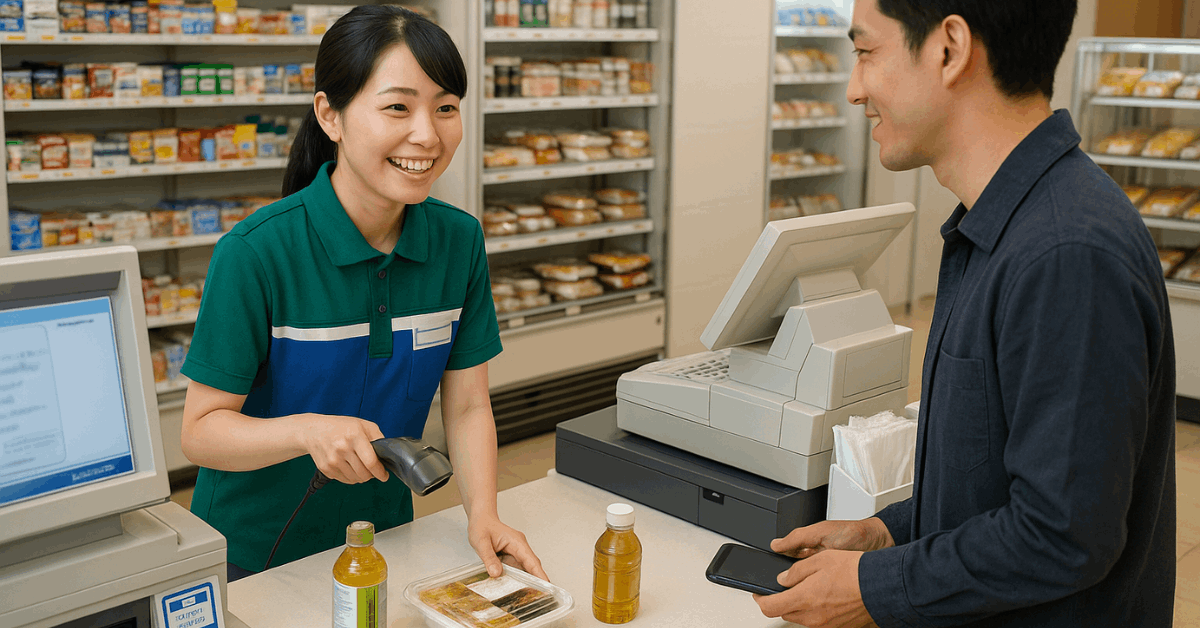
Staff greet customers with set phrases, confirm purchases aloud, count cash precisely, and present bags neatly.
Managers notice punctuality, clean uniforms, and respectful speech more than flashy résumés or creative layouts. Consistent adherence to policies builds trust quickly, and that trust leads to better shifts, broader tasks, and faster pay increases.
Eligibility and Visa Paths
Retail hiring connects directly to visa status, weekly work-hour rules, and the type of contract offered. Clear knowledge of categories prevents delays when paperwork starts.
Companies prefer candidates whose permitted activities already match the store’s duties, since managers cannot risk noncompliant shifts. Plan timelines around document gathering, embassy or consulate visits, and arrival procedures at the airport.
Working Holiday Visa and Part-Time Retail
Countries with bilateral agreements allow eligible applicants aged roughly 18 to 30 to live and work for up to one year.
Retail floor roles fit this program well because schedules adapt to seasonal peaks and training modules.
Candidates need sufficient funds for arrival and a valid passport that covers the entire stay. Many shops treat this route as entry level, which supports future full-time applications if performance stays strong.
Student Visa and Permission To Work
University and language school students can take part-time shifts after securing permission for activities outside status.
Weekly caps apply, so managers often plan rosters carefully around exam periods and term breaks. Reliable attendance matters more than long hours because late arrivals affect front-of-house coverage. Good standing at school keeps the permission valid, protecting both the student and employer.
Full-Time Categories Commonly Used
Engineering and business-focused categories typically cover office roles, yet larger retailers sometimes hire for corporate headquarters or multilingual customer support.
Applicants provide degree evidence, contracts, and employer documents during screening.
Clear job descriptions help officials match duties to the chosen status. Internal transfers occasionally move staff from stores to back-office functions after strong performance.
Specified Skilled Worker Options
Specified Skilled Worker programs include fields like accommodation and food service, which often sit alongside retail in mixed-use facilities.
The first category aims at hands-on roles and usually requires language basics and proven skills.
The second category offers longer stays and family eligibility where criteria are met. Applicants confirm field alignment carefully since coverage depends on the exact store environment.
Retail Resume and Application Materials
Hiring teams expect concise documents that follow local conventions. Templates standardize sections, so recruiters can scan schools, dates, and experience in a familiar order.
Photos carry real weight, meaning clean attire and neutral backgrounds matter during printing. Consistency across résumé, application form, and identification reduces questions during the final offer stage.
Rirekisho Basics
The rirekisho lists personal data, education, and employment in fixed boxes, avoiding decorative elements entirely.
Print neatly or type according to the template rules, then affix a recent photo in business attire.
Dates should align across sections, since conflicting months raise avoidable concerns. Many applicants create a digital master file, then handwrite neatly when a store requests paper copies.
Shokumu Keirekisho Details
Applicants pursuing full-time tracks also submit a shokumu keirekisho, which expands duties, outcomes, and tools used.
Retail candidates highlight cash handling accuracy, shrink control efforts, and upselling results by category.
Store leaders value inventory-cycle experience, morning deliveries, and closing procedures with keys. Clear bullet points outperform vague summaries when managers compare similar profiles.
Photo and Formatting Standards
Photos should match passport style, showing a plain background and centered shoulders. Suits or subdued business casual both work, provided clothing stays clean and pressed.
File and paper naming conventions help, so label documents consistently using surname, role, and date. Careful alignment across rirekisho template fields lowers the chance of rework.
Interview Preparation For Store Roles
Short, positive answers support smooth conversations and keep momentum high. Practice builds confidence because phrasing in Japanese flows better under pressure after repetition.
Managers welcome interviewees who already know the brand’s layout and basic phrasing used at the register. Bringing printed copies of documents signals readiness and attention to detail.
Common Questions and How To Frame Answers
Expect questions about weekly availability, weekend flexibility, and holiday peak readiness. Interviewers also ask about leaving the last job, customer-service strengths, and handling mistakes at the till.
Clear examples beat generalities, especially when referencing cash discrepancies or return requests. Answers that connect directly to store operations stand out immediately.
Availability, JLPT, and Visa Evidence
Availability statements should list specific days and times, not broad hopes. JLPT scores help managers place candidates, especially where scripts and manuals require reading fluency.
Copies of residence cards and any permission stamps prevent later follow-ups. Simple folders keep these materials accessible when interviewers invite a quick check.
Politeness, Posture, and Keigo
Straight posture, steady eye contact, and calm tone convey reliability under crowd pressure. Set phrases in keigo for customer service create consistency that customers expect in major chains.
Practicing opening greetings, total-announcement lines, and thank-you closers reduces mistakes during busy periods. Managers often test these lines during the interview itself.
Language and Register Skills
Fluent numbers matter because totals and change must be spoken quickly and clearly. Practicing large values improves speed at holiday peaks when baskets grow larger.
Cashiers repeat amounts for confirmation, then count coins audibly to avoid confusion. Short daily drills at home build muscle memory faster than occasional practice sessions.
Presentation and Japanese Gift Wrapping
Department stores and specialty counters often offer free wrapping during gift seasons. Two methods appear frequently, known as kaiten for rotatable items and karameru for goods that cannot be flipped.
Early practice speeds service and impresses supervisors, especially during long lines. Simple materials at home replicate store conditions well enough to build confidence.
Payments and Point Programs At The Till
Digital wallets and contactless cards run alongside cash in most busy areas. Staff confirm method names, scan directions, and loyalty programs before finalizing the sale.
Stores usually contract with one loyalty network, so clerks prompt correctly to capture points. Familiarity with program names reduces hesitation and keeps lines moving.
Common Apps And Typical Actions:
| App Or Network | Typical Action At POS |
| PayPay | Scan customer barcode on screen |
| Line Pay | Scan or present code for reader |
| Rakuten Edy | Tap phone or card to reader |
| d Barai | Scan barcode, then confirm amount |
| iD | Tap compatible phone or card to terminal |
Point cards in Japan appear everywhere, including D-point, T-point, Ponta, and Rakuten Point. Clerks ask for the card or app at the start, since some systems calculate points on the subtotal.
Learning store-specific prompts helps, such as asking for the loyalty scan before payment. Simple flashcards during training shift this knowledge into automatic habits.

Appearance Standards and Workplace Etiquette
Hiring managers prefer natural hair colors, minimal accessories, and clean shoes for safety and hygiene.
Some stores allow light beards, while many request clean-shaven faces for uniformity. Colleagues appreciate tidy lockers, careful break timing, and proactive restocking when the floors are quiet.
Quiet efficiency gets noticed quickly, especially in teams that run tight shifts.
Finding Openings and Applying
Large platforms like GaijinPot Jobs, Jobs in Japan, Daijob, CareerCross, and Wantedly list roles across regions.
Recruiters assist bilingual candidates, particularly for luxury retail, outlet malls, and airport shops. Networking at meetups expands options in tourist districts where extra languages add value.
Applications that match each posting’s phrasing and requirements rise through screening faster.
Quick Application Checklist
Clear, targeted steps keep preparation on track and interviews focused. Short lists prevent overthinking while covering the essentials that managers check first.
Completing these items ahead of time removes last-minute stress and reduces errors. Finish the set, then move directly into submission windows for upcoming seasons.
- Finalize a rirekisho template and a role-specific shokumu keirekisho.
- Print passport-style photos and label files using consistent naming.
- Compile schedule availability, JLPT for retail jobs, and visa copies.
- Practice keigo lines, number announcements, and bagging or Japanese gift wrapping.
- Set up a wallet that mirrors store methods, covering mobile payments in Japan.
FAQ Snapshots For Retail Jobs in Japan
Finding a role without Japanese remains possible where multilingual service matters, including airport stores and tourist-heavy chains. Strong experience can offset limited language in select cases, although keigo basics stay essential for front-of-house success.
Hiring seasons vary, yet spring and year-end peaks often bring onboarding waves for larger chains. Timeline length depends on location and store size, so plan for several weeks between application and first paid shift.
Side work requires both employer permission and visa compatibility, and changes to visa categories follow job scope adjustments.
Final Tips And Next Steps
Consistent habits decide outcomes in service environments that respect reliability over flash. Early mastery of set phrases removes friction during real customer interactions and shift rotations.
Careful attention to schedules, appearance, and cash accuracy builds trust that translates into longer contracts. Solid performance in part-time roles often unlocks broader responsibilities, training slots, and internal recommendations.