
In a tight labor market shaped by aging demographics and falling birth rates, the Latest Job Openings in Japan are expanding across technology, healthcare, education, and energy.
Companies increasingly state an openness to hire international talent, emphasize multilingual ability, and value lived experience in foreign markets.
Across 2023 and 2024, demographic signals turned sharper, and shortages widened in several sectors. Teacher vacancies, digital roles, and specialized care positions illustrate demand that stretches beyond major metros.

Latest Job Openings In Japan: Where Demand Is Rising
Hiring momentum concentrates in sectors that support digital transition, aging society needs, and energy security.
Expect steady postings in Tokyo, Osaka, and Nagoya, alongside regional manufacturing hubs that rely on smart factories and robotics. Careful role selection, JLPT targets, and credible training certificates lift screening rates significantly.
Technology And Engineering
Software engineers, AI practitioners, IoT planners, and cloud architects remain in short supply as firms modernize stacks and production lines.
Employers request proof of projects, familiarity with container orchestration, and a baseline for security hygiene. References to Latest hiring trends Japan 2025 appear in many corporate briefings, highlighting the scale of digital headcount growth.
Clear documentation of responsibilities, outcomes, and tools makes the difference during panel interviews.
Education And Teaching
Public updates flagged a mid-year teacher shortfall measured in the low thousands, covering elementary through senior high and special needs schools.
Language teaching, content design, and international program support show consistent openings. Targeting listings that specify JLPT N2 jobs in Japan helps filter roles where bilingual communication is essential in the staffroom and with parents.
Healthcare And Gerontechnology
Hospitals, clinics, home-care networks, and municipalities add staff to support a super-aged population.
Roles blend case management, care coordination, and technology use, including remote monitoring and assistive devices. Nursing master’s programs taught in English exist, and several accept international applicants who intend to work locally after graduation.
Renewable Energy
Wind, solar, storage, and grid integration attract engineers, project managers, and site safety specialists.
National decarbonization goals, corporate clean-power commitments, and industrial policy keep momentum strong. Applicants who can connect project finance to permitting requirements stand out in interviews.
Cybersecurity And Cloud
Enterprises now treat incident response, security architecture, and cloud governance as board priorities.
Organizations cite gaps in cloud talent across AWS, Azure, and GCP. Resume evidence covering identity, logging, and cost controls resonates strongly, especially for multi-account environments spread across regions.
Data And Finance
Banks, insurers, and private equity firms expand analytics and deal teams, citing shortages in modeling, valuation, and risk.
Data scientists who pair statistics with pragmatic dashboards find quick traction. Investment roles favor candidates who can read filings, build comps, and discuss sensitivities without prompting.
Manufacturing, Robotics, And Operations
Factories add robot programmers, vision engineers, and line optimizers to reduce downtime and stabilize quality.
Cobots, PLCs, and MES upgrades dominate plant plans. Hands-on experience integrating sensors, analytics, and safety protocols earns second-round interviews quickly.
Employment Environment In Japan
Understanding norms helps align behavior during screening and at work. Hiring teams evaluate reliability, teamwork, and respect for process as seriously as technical ability.
Written materials, punctuality, and calm communication show cultural awareness before the first panel even begins.
Work Hours And Expectations
Statutes define standard hours and overtime caps, yet many teams still run long days during peak periods.
Managers favor steady contribution, accurate estimates, and visible preparation. Showing boundaries respectfully and offering crisp handovers help sustain trust.
Hierarchy, Loyalty, And Group Harmony
Clear seniority remains common, and teams prize calm consensus. Propose ideas thoughtfully, anticipate questions, and document decisions to assist collective memory.
Managers assess fit for the long term, so consistent behavior matters across months, not days.
Work-Life Balance And After-Hours Norms
Well-being initiatives continue to expand, although team rituals, client dinners, and seasonal events remain part of many calendars. Planning personal commitments early and communicating conflicts courteously keeps relationships smooth.
Job Hunting In Japan: Steps That Work
A strong search blends language planning, local document formats, and channels trusted by employers. Efficient applicants also leverage structured tools that compress prep time without sounding generic or automated.
Language Readiness And JLPT
Most professional tracks request JLPT evidence, frequently N2 for client-facing roles and sometimes N1 for regulated paths. Portfolio-driven shops accept lower levels when code quality or design outcomes are exceptional.
Target postings that explicitly reference JLPT N2 jobs in Japan, if conversational depth will be tested during group interviews.
Documents And Japanese Resume
Prepare a Japanese-style resume, or rirekisho, that presents personal and professional details in a familiar format.
A typed version is common in many firms, and a clear photo remains standard. Include a concise work summary, quantifiable outcomes, and brief explanations of gaps.
Video Interview Advantage
Several hiring platforms encourage pre-recorded video interviews that preview communication style, problem framing, and tone.
Internal data shared publicly indicated high hire rates when a candidate included a video interview in the profile. Recording answers after reviewing prompts supports clarity and reduces retakes.
Cover Letters That Match
Tailored letters that map skills to role requirements set interviews in motion.
An AI-assisted draft can help organize points, although finishing touches should reflect authentic voice, accurate metrics, and company-specific details. Recruiters spot boilerplate quickly.
Build Experience Locally
Relocating first can help for roles that rarely sponsor overseas candidates. English teaching, internships, part-time campus roles, and freelance translation create references while also improving daily Japanese.
Job Hunting Schedule For International Students
International students face a structured cycle anchored to university calendars. Planning six to nine months ahead, building language momentum early, and tracking corporate events steadily will raise the odds of success.
JASSO Guide And Timelines
The JASSO job hunting guide summarizes process steps for international students and outlines timing across entry sheets, tests, and interviews.
Reviewing it early prevents common surprises, such as long lead times for aptitude exams or health checks. University career offices often align their calendars to the same milestones.
Campus And University Cooperation
Many universities host briefing sessions, alumni panels, and employer visits. Career advisers coordinate practice interviews, resume checks, and internship matching. Participation signals motivation and often surfaces roles not posted elsewhere.
Job Fairs And Seminars
Major firms run in-person and virtual fairs without pre-selection, and schedules shift throughout the year.
Checking a Tokyo job fair calendar helps align attendance with industries of interest. Short chats at booths still matter, since recruiters write notes and may fast-track promising candidates.
Tools That Speed Hiring
Career-matching tools that analyze resumes and job descriptions have reported strong uplift in interview rates. Some platforms publish figures showing higher success among users of guided matching features. Treat numbers as directional, and keep experimenting with wording and order.
Employment Examinations And Interviews
Testing and interviews remain central to screening. Calm preparation, punctuality, and clear structure in answers signal readiness for responsibility and client contact.
Aptitude And Language Tests
Many employers administer general aptitude assessments, coding tests, or English and Japanese checks. Results sit alongside transcript reviews and referee calls. Practicing under time limits and reviewing past formats improves performance rapidly.
Interview Etiquette And Panels
Plan to arrive slightly early, dress in formal business attire, and greet each interviewer respectfully.
Panel formats are common, and interviewers share notes afterward. Clear answers that begin with outcomes, followed by method and evidence, read well to engineering and business teams alike.
Status Of Residence And Visa Paths
Immigration rules determine eligibility to work, internship options, and post-graduation job search periods. Careful alignment between role, degree field, and sponsoring entity prevents delays at the immigration counter.
Work Visa Sponsorship And Certificate Of Eligibility
Most full-time employees rely on employer sponsorship and a Certificate of Eligibility prior to visa issuance.
The phrase Japan work visa requirements appears frequently in job ads and agency pages, and the sponsor prepares paperwork that confirms job duties and pay.
Maintaining accurate job titles and addresses across documents reduces administrative questions.
Designated Activities After Graduation
Graduates who need more time may apply for the Designated Activities visa to continue job hunting, typically in six-month increments up to one year.
Regional immigration bureaus handle procedures and advise on required forms. University endorsements, recent transcripts, and proof of ongoing applications support approval.
Where To Find Legitimate Openings
Public agencies and structured resources publish dependable listings, counseling, and interview events. Blending these with corporate sites and trusted job boards creates a healthy pipeline.
Employment Service Centers And Hello Work
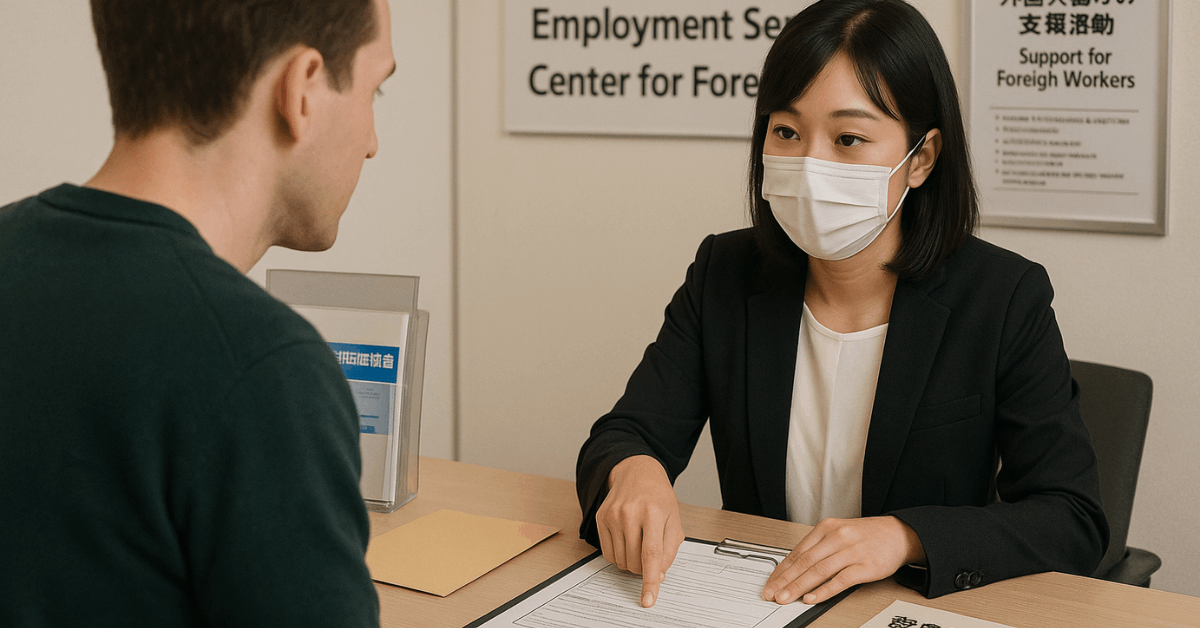
The Employment Service Center for Foreigners operates in Tokyo, Nagoya, and Osaka, providing counseling, guidance visits to universities, internships, and interview meetings.
Fukuoka’s “Hello Work for Supporting New Graduates” offers tailored support in Japanese for those finishing studies. These channels help match resumes to real openings and verify employer credibility.
Internet And Company Sites
Corporate career pages and large boards update frequently, and many employers accept inquiries via email.
Creating a tracking sheet, saving PDFs of posted descriptions, and noting contacts keeps the process organized. Keyword filters, such as How to apply in Japan help surface legit guidance on application format and etiquette.
Consultation Agencies For Working Conditions
Government helplines answer questions on hours, overtime, paid leave, and workplace conduct in multiple languages. Calling early resolves misunderstandings and guards against costly mistakes after a contract is signed.
What To Do If A Job Takes Longer Than Expected
Graduates who miss an offer prior to commencement can legally extend the search within immigration rules while volunteering, interning, or upskilling.
Parallel actions include attending more fairs, broadening industries, and adjusting JLPT targets upward. A short note to professors and mentors often uncovers referrals faster than cold messages.
Conclusion
In a market shaped by demographic pressure and digital transformation, international applicants can win the Latest Job Openings in Japan by aligning language targets, adopting local document formats, and using credible channels.
Precise resumes, confident video interviews, and tailored letters generate callbacks. Public agencies, university services, and employer pages provide steady pipelines of roles, while immigration pathways support a continued search after graduation when necessary.
Consistent effort across language, documents, and events converts into stable offers and longer-term career growth.