In a market shaped by inbound travel, labor shortages, and steady wage floors, Hotel Jobs in Japan span hands-on housekeeping through guest-facing front desk work.
Candidates who speak practical Japanese, show calm under pressure, and respect omotenashi standards can move quickly into reliable shift work or grow into coordination and management tracks.
In most cities, entry listings mention conversational Japanese and customer service basics, while career roles highlight prior hospitality experience and business-level proficiency.
Why Hotel Jobs In Japan are Growing
Increased visitor volume, staffing gaps in service sectors, and year-over-year minimum wage gains keep hiring steady across hotels.
As of October 2025, the national average minimum wage sits near the low eleven hundreds per hour, and large prefectures set higher floors, which stabilizes hourly pay expectations across routine hotel shifts. Tokyo’s posted rate illustrates the upper band for base pay in major hubs.
Service operations also rely on predictable overtime rules. Japan’s Labor Standards framework requires premium pay for overtime and late-night work, which matters during peak seasons and long turnover days.
Types Of Hotels In Japan
Hiring appetite differs by property, guest mix, and season. Expect broader English usage and clearer career ladders at large brands, and broader job scopes at smaller lodgings.
Western-Style and Luxury Hotels
International brands and high-end domestic flags center on team specialization. Front desk, guest relations, concierge, bell, housekeeping, and food and beverage operate as distinct units.
Sites in Tokyo, Osaka, and resort cities hire year-round, scale up for events, and invest in training.
Business and Capsule Hotels
Business hotels prize efficiency and reliable service at modest price points, while capsule hotels prioritize safe, clean pods in transit-friendly locations.
Teams are lean, so one shift may cover reception, simple housekeeping support, and vending or amenity restocks.
Ryokan and Minshuku
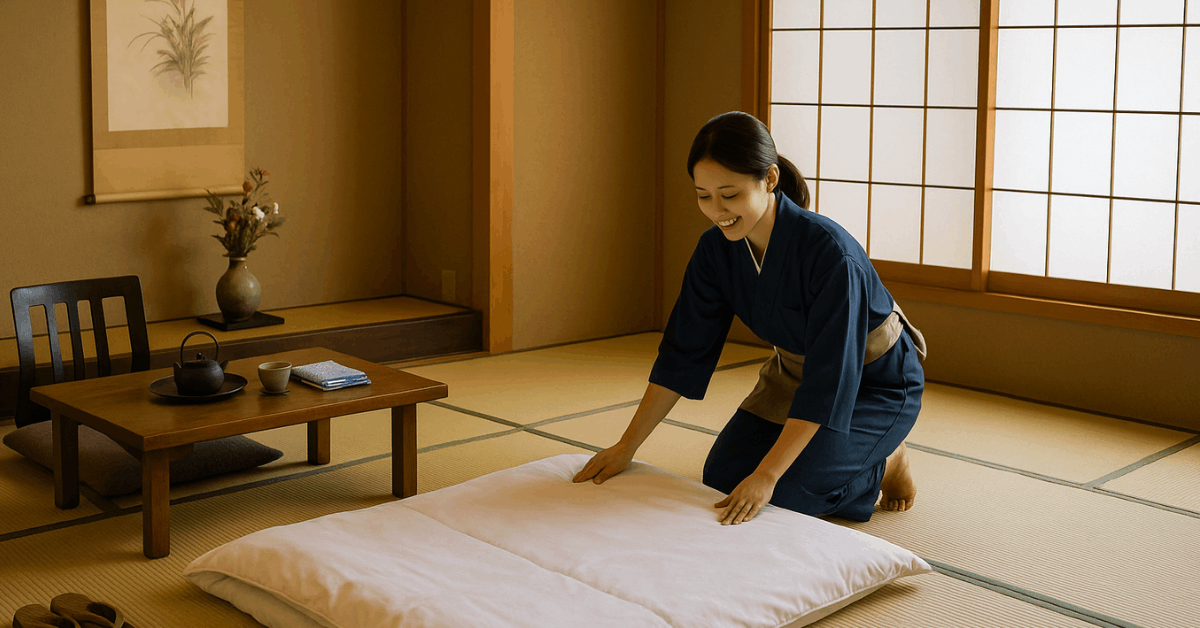
Traditional inns emphasize tatami rooms, kaiseki dining, and bath etiquette. Staff often rotate through check-in, meal service, and room preparation.
Listings for ryokan jobs frequently value cultural fluency and basic keigo, and some roles are seasonal in onsen or ski regions.
Resorts and Seasonal Properties
Mountain and island resorts expand headcount across winter and summer peaks. Roles include lift-adjacent housekeeping, banquet support, and activity desk operations. English and Chinese skills help in visitor-heavy zones such as Niseko and Okinawa.
Core Roles Across A Property
Guest experience depends on dozens of small, consistent actions. Clear division of duties helps teams protect standards during high-occupancy days, while cross-training keeps operations resilient when absences or spikes occur.
Housekeeping
Room attendants reset spaces to brand standards, sanitize surfaces, report maintenance issues, and coordinate timing with the front desk and laundry.
Cleanliness targets are strict, carts must stay organized, and turnover windows can be tight. Searches for housekeeping jobs in Japan will show many city roles, plus seasonal posts in resorts.
Front Desk and Reception
Receptionists manage check-ins and check-outs, handle payments, field complaints, and coordinate room moves during overnights.
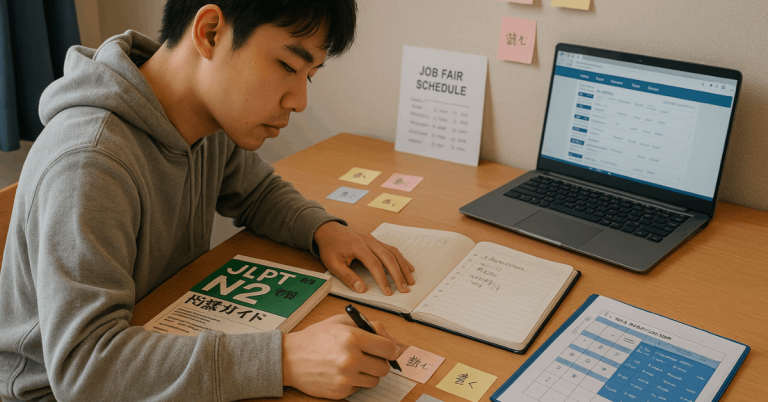
Strong Japanese, quick system handling, and calm problem-solving matter. Queries for front desk jobs in Japan typically show JLPT N2 as preferred in city properties.
Guest Relations
Teams monitor messages across phone, email, and apps, handle special requests, and recover service lapses. Clear writing, tact, and escalation judgment are required, especially when tours, transfers, or allergies are involved.
Concierge, Bell, and Doorman
Concierge staff map itineraries, arrange transport, and secure restaurant bookings.
Bell and door staff set first impressions, assist luggage, and coordinate taxis or deliveries. Fitness and safe lifting habits are essential in bell roles.
Food and Beverage
Outlets hire servers, bartenders, cooks, and pastry roles. Hotels also staff banquets, breakfast lines, and in-room dining.
Bartending and sommelier tracks exist in luxury properties, while banquet operations offer reliable overtime during wedding and conference season.
Requirements For Foreign Candidates
Hiring managers use clear screens: legal work status, language fit for the post, and service temperament. A simple, well-organized resume plus clean ID copies speeds shortlisting in busy HR pipelines.
Language Expectations
Most guest-facing roles expect conversational to business Japanese, and postings frequently state JLPT N2 required or preferred.
English remains useful everywhere; Chinese or Korean helps in tourist hubs. Real examples on major job boards consistently show N2 as the typical threshold for front desk tracks.
Visa and Status Of Residence
Roles that involve specialized human services, such as front desk or planning, often align to the Engineer/Specialist in Humanities/International Services status.
Work content must match the status, so basic room cleaning alone does not typically qualify under that category.
An alternative pathway, Specified Skilled Worker (i) for the accommodation industry, covers defined hotel tasks and requires passing an industry skills test and language criteria. Applicants must already hold, or be eligible for, the appropriate status; many employers state no sponsorship for entry roles.
Core Service Skills
Politeness, clear speech, tidy appearance, and attention to detail are baseline. Teams prize punctuality, shift flexibility, and a calm tone during peak traffic at elevators, breakfast, and check-out lines.
Experience Signals
Any prior hospitality, Airbnb hosting, or guest support experience helps. Short, precise bullet points about systems handled, shift volumes, or complaint recovery demonstrate readiness.
Salaries, Shifts, and Culture
Front-line roles in large cities often start a little above local minimum wage, while supervisory and specialty kitchen roles move higher through allowances and overtime.
The phrase hotel salary Japan in job descriptions usually points to monthly pay with separate transport and late-night allowances. National guidance places overtime premiums at 25 percent or more, rising further after sixty monthly hours, and late-night work carries an additional premium.
Expect early housekeeping starts, split F&B shifts around breakfast and dinner, and rotating front desk shifts, including overnights. Teams practice omotenashi culture, meaning proactive care, unprompted assistance, and tidy, quiet efficiency.
Where To Find and How To Apply
Hiring funnels differ across chains, boutiques, and seasonal resorts. Targeted searches and clean submissions outperform mass applications.
- Job Boards: Search GaijinPot Jobs, Jobs In Japan, Daijob, Indeed, and Glassdoor for city roles and training tracks. Listings for Japanese hotel jobs for foreigners frequently state shift expectations and language screens.
- Company Careers Pages: Major chains list front desk, F&B, and housekeeping vacancies; smaller boutiques may post on their news pages after local interviews.
- Seasonal Resorts: Track Niseko and Hakuba operators for winter roles, and Okinawa for summer intake, then prepare for multi-tasking posts across rooms and banquets.
- Agencies and Dispatch: Reputable staffing firms fill reception and banquet teams for events and new-build openings; verify contract type and benefits before accepting.
- Networking: Community groups for expats in Tokyo, Kansai, Hokkaido, and Okinawa routinely share openings, shift swaps, and housing leads.
Education And Training Paths
Structured study shortens the ramp to supervisory roles, while on-the-job practice builds the real toolkit that guests notice.
Management and Coordination
Hospitality degrees or diplomas in hotel administration provide a grounding in finance, HR, and operations.
Entry managers learn scheduling, vendor control, and audit basics, then step into duty manager rotations after consistent performance and language growth.
Culinary and Beverage
Culinary schools teach Japanese and international techniques, food safety, and cost control. Kitchen careers progress from prep to line to sous chef, then executive roles that manage menu, inventory, and training.
Sommelier study covers tasting, storage, and pairing; high-end hotels may sponsor certifications after probation.
Language and Service Workshops
Japanese conversation practice focused on hospitality keigo delivers the fastest gains. Short workshops in complaint handling, upselling, and safety round out a candidate profile for promotion.

Practical Timeline To Land an Offer
Preparation and the actual application can’t happen at the same time. Use this timeline actually to prepare yourself to get your dream job.
Month 0–1: Prepare Documents
Polish a one-page resume in clean sections, gather resident card and visa copies, and scan language test results. Personal photos should match typical business standards in Japan.
Month 1–2: Apply In Batches
Send five to eight tailored applications per week aligned to your status of residence. State availability for nights, weekends, or relocation if true.
Month 2–3: Interview, Trial, And Offer
Expect one to two interviews plus a short trial or role-play for front desk scripts. Shift flexibility, simple keigo, and clear conflict handling often decide final picks.
Month 3–6: Onboarding And Growth
Learn brand standards, complete safety modules, and track guest satisfaction goals. Volunteers for cross-training in breakfast or banquets reach coordination pay bands faster.
Legal and Pay Essentials To Track
Contract type, base wage, allowances, and overtime rules should be easy to understand.
Japan’s national minimum wage guidance and prefectural leaflets confirm hourly floors each autumn, and Tokyo’s posted rate serves as a useful benchmark for big-city properties.
Keep copies of rosters and pay slips, and raise discrepancies quickly through the manager chain or hotline when available.
Final Checks: Is This Track Right For You?
Service work suits candidates who stay composed, accept varied hours, and enjoy face-to-face problem solving.
Career progression exists in every department, and cross-department moves are common in properties that promote internally.
If language growth, guest interaction, and steady schedules sound appealing, Hotel Jobs in Japan offer a clear path to stable income and tangible skills that transfer worldwide. Candidates seeking tighter Monday–Friday routines may be happier in back-office roles outside lodging.