
In 2025, teaching English in Japan remains a clear path to live and work in a safe, organized country while building a marketable teaching skill set.
Demand is concentrated in public schools and private Eikaiwa, with competitive posts at universities and international schools requiring stronger credentials.
Hiring favors applicants holding a bachelor’s degree, a clean background check, and a TEFL 120-hour certificate, plus a neutral, easy-to-understand accent.
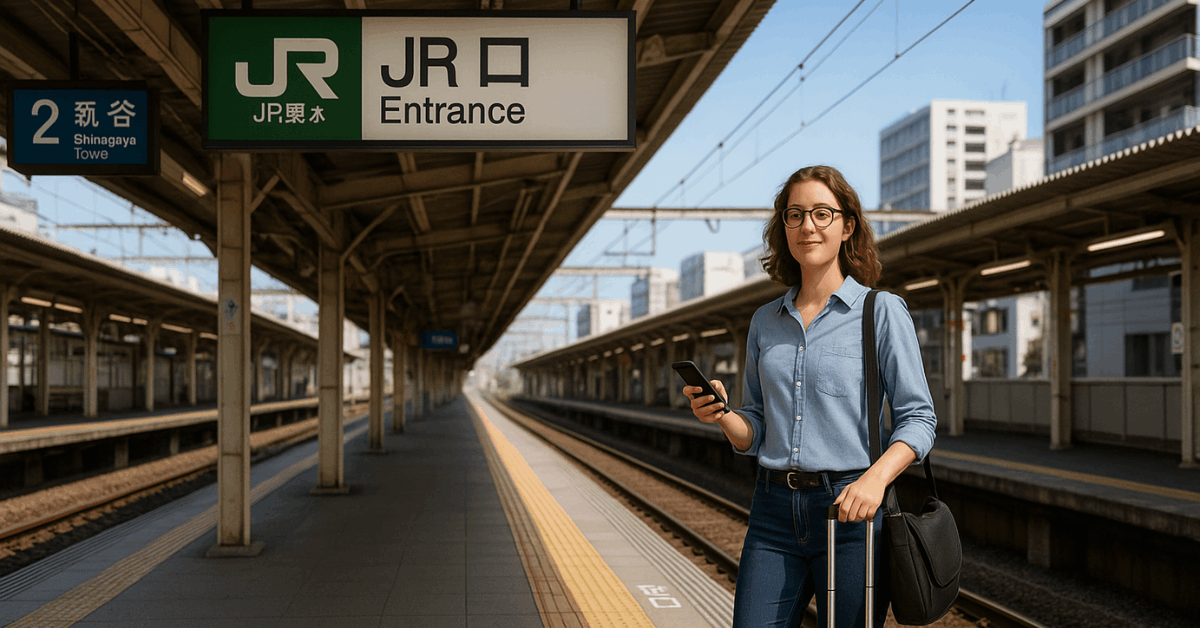
What Teaching English In Japan Involves In 2025
Most first roles fall into two lanes: public school Assistant Language Teacher posts and private language school positions. Public school roles typically place you in elementary or junior high settings as an ALT supporting Japanese teachers, following set curricula and school calendars.
Private Eikaiwa jobs center on small-group or one-to-one conversation classes for children, teens, university students, and professionals, often during afternoons, evenings, and weekends.
Competitive candidates arrive with a bachelor’s degree in any field, a TEFL credential, and a short list of references that confirm reliability, punctuality, and classroom presence.
Guide for Work Visas and Certificate of Elibility Paperwork
Public programs and dispatch companies handle sponsorship for work visas and guide the Certificate of Eligibility paperwork. Private schools and direct-hire boards of education do the same for their hires.
Early planning pays off because documents, screening, and placements move on fixed windows tied to the April school year and late-summer intakes.
Key Requirements In 2025
A short checklist keeps applications on track for interviews, visas, and arrival. Expect variations across employers, yet the core remains stable nationwide.
- Bachelor’s Degree: Required for visa sponsorship; any major is typically accepted for entry roles.
- Passport & Eligibility: Citizens of English-speaking countries are prioritized; fluent candidates from other countries can qualify when degrees and language evidence align.
- TEFL 120 hour certificate: Strongly preferred for better schools, higher rates, and smoother interviews.
- Background & Health Checks: Standard police certificate and basic health screening where requested.
- Savings For Setup: Plan around 2,500 to 4,000 USD for deposits, transit, and the first month’s expenses.
Visa Pathways For English Teachers
Competition rewards applicants who understand the right status of residence for each employer. The category affects eligibility, allowable duties, and where you can legally work, so align the job offer with the correct status before submitting paperwork.
- Instructor Visa Japan: Public schools and boards of education typically sponsor this category for ALTs working in elementary and secondary schools. Duties involve assisting classes, team-teaching, activity support, and lesson preparation within the public system. Contract terms track the academic calendar, and renewals depend on performance and local budgets.
- Specialist in Humanities visa: Private language schools, corporate training providers, and many direct-hire private institutions sponsor this status for conversation instructors and related roles. Contracts often include afternoon and evening schedules, Saturday shifts, and performance expectations such as demo lessons and student retention.
- University and International School Tracks: Universities may use Professor or Instructor statuses, while international schools typically sponsor qualified, licensed teachers through the appropriate working categories. These posts expect relevant degrees, teaching licenses, publications, or conference activity for universities, and proven classroom outcomes.
Job Types and Hiring Paths
A practical overview of main routes helps you target applications that match timelines, pay bands, and career goals.
- ALT Jobs Japan: Assistant Language Teacher roles arrive via government programs, local boards of education, or dispatch firms. Stability and community integration appeal to applicants seeking a school rhythm, set holidays, and predictable hours. Expect team-teaching, activity days, and involvement in school events.
- Eikaiwa Language Schools: Eikaiwa teaching hours are concentrated when students are free, so afternoons, evenings, and weekends dominate the schedule. Entry salaries cluster around market averages, while promotion tracks reward consistency, student feedback, and mentoring new hires. Careful vetting matters because benefits, training quality, and overtime policies differ widely across chains and independent schools.
- International Schools: Licensed teachers with classroom experience compete for higher salaries, solid benefits, and longer breaks. Standards mirror home-country curricula, and selection favors classroom results, references, and portfolio evidence.
- Universities: Hiring favors advanced degrees, publications, and committee service. Teaching focuses on academic English, presentation skills, and writing support. Calendars include generous vacation blocks balanced by research or administrative duties.
- Online And Private Tutoring: Online work suits bridging periods or supplemental income, not primary residency. Private tutoring inside Japan must match visa rules or run through an agency that issues legal contracts and handles taxes.
Salary, Benefits, and Cost Realities
Market pay centers on roughly 220,000 to 280,000 yen per month for entry Eikaiwa and dispatch roles, with public program packages rising higher due to standardized scales and defined raises.
JET Programme remuneration in 2025 lists approximately 4.02 million yen in the first year, increasing with renewals.
International schools and universities extend wider ranges, often including housing support, dependents’ tuition discounts, development budgets, and longer paid breaks.
Benefits Vary
Solid employers reimburse transportation, offer relocation guidance, and assist with phone SIMs, bank accounts, and residence card setup. City living costs require a budget mindset.
Rent consumes the largest share in Tokyo and Osaka, so a longer commute often lowers housing bills meaningfully. Careful food shopping, a commuter rail pass, and planned weekend activities keep savings intact without denting quality of life.
Currency swings influence take-home values for those tracking salaries in home-country terms, so benchmark decisions in yen to avoid distorted comparisons.
Timing, Documents, and Application Workflow
Application windows repeat predictably, so a disciplined process helps you secure interviews ahead of peak hiring.
- Map The Calendar: January through April drives public school onboarding, while late summer supports a second intake.
- Assemble Core Docs: Passport, degree scans, transcripts, police certificate, TEFL credential, and reference letters.
- Targeted Applications: Match ALT, Eikaiwa, or school requirements; customize resumes for classroom skills and student outcomes.
- Interview Readiness: Prepare a five to eight-minute demo, a concise teaching philosophy, and examples of classroom management.
- Visa Steps: Confirm the correct status, submit employer documents for the Certificate of Eligibility, then finalize at a consulate.
Living Setup and Startup Budget
Housing deposits, key money, guarantor fees, and agency charges can surprise newcomers in larger cities. Many dispatch firms and public programs prearrange housing or connect new hires to vetted agencies that minimize upfront cash.
A starter fund of 300,000 to 450,000 yen covers deposits, basic furniture, transit cards, and groceries while awaiting the first paycheck. Health insurance enrollment and pension contributions begin after arrival under standard onboarding; payroll deductions follow once contracts activate.
City transport remains affordable and on time, making a 35 to 50 minute commute normal for entry budgets. A prepaid rail pass tied to your route keeps costs predictable. Cooking at home, using local supermarket discounts, and reserving restaurants for planned outings protect monthly savings without sacrificing social life.
Classroom and Cultural Fit
Japanese classroom etiquette prizes punctuality, preparation, and a respectful tone. Clear instructions, visual aids, and predictable routines help students follow tasks comfortably. Pair-work and short speaking drills increase participation without putting shy learners on the spot.
Cultural awareness extends beyond the lesson plan. Polite greetings, tidy appearance, and measured responses to unexpected schedule changes build trust.
Written handouts with objectives and homework expectations support co-teachers and clarify progress for students. Professional boundaries stay tight around social media and messaging, and transparency on grading and attendance keeps administrators confident in your classroom.
Where to Work: City or Rural Tradeoffs
Large cities deliver dense networks of schools, nightlife, and career mobility at the price of higher rent. The Cost of living in Tokyo figures above national averages for housing and dining, yet competition brings more job options and clearer promotion paths.
Mid-sized cities such as Fukuoka and Sendai balance affordability and convenience while offering calmer commutes and access to nature. Rural placements reduce rent dramatically and speed community integration, although driving may be necessary, and private tutoring demand can be thin.
Those chasing advancement might value metropolitan exposure, while those optimizing savings or lifestyle often choose regional cities or rural towns. Hiring managers respect both choices when the reasoning connects to school needs, student outcomes, and contract stability.
Action Plan For The Next 90 Days
A focused ninety-day sprint turns interest into signed contracts and booked flights.
- Weeks 1–2: Finalize resume, collect references, and register for a TEFL 120-hour certificate if not already completed.
- Weeks 3–6: Submit targeted applications for ALT jobs in Japan, Eikaiwa chains, and regional boards; schedule interviews.
- Weeks 7–9: Practice lesson demos, secure provisional housing options, and confirm preferred cities against budgets.
- Weeks 10–12: Complete visa paperwork, prepare arrival funds, and set up international banking for initial transfers.
FAQs: Fast Answers For 2025
A few recurring questions surface in interviews and planning calls. The following clarifies demand, income, and daily living patterns across typical placements.
- Are English teachers still in demand?
Steady nationwide demand continues in public schools and private centers, influenced by regional demographics and tourism exposure. Competitive credentials widen choices and shorten hiring cycles. - How much can you earn?
Entry salaries typically cluster near 220,000 to 280,000 yen per month at private centers and dispatch firms, while standardized public packages start higher and include annual increments. University and international school ranges exceed entry levels when licenses and graduate degrees align. - Can a comfortable life be maintained on entry pay?
Comfortable living follows a sensible housing choice, a commuter rail pass, home cooking, and planned entertainment. Savings potential improves outside central Tokyo and through employer-arranged housing. - Is the Japanese language required?
Classroom work proceeds in English, although basic phrases support daily life, staff relations, and parent interactions. A modest study accelerates integration and reduces small frictions quickly. - Which documents matter most?
Degree copies, a clean police certificate, the TEFL credential, and a passport valid for the full contract period anchor most applications. Prompt responses during Certificate of Eligibility processing prevent delays.
Conclusion
Teaching English in Japan remains a practical, structured route to live in a high-functioning society while gaining classroom experience that travels well.
Strong preparation, a TEFL credential, and visa literacy position candidates for faster offers and cleaner onboarding.
Careful city selection, an honest budget, and steady professional habits then unlock a sustainable year in classrooms that value clear instruction and a calm, respectful presence.