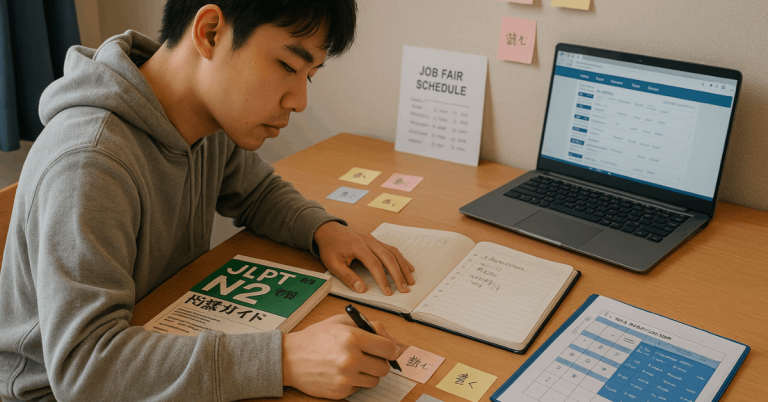
Finding a full-time job in Japan as a foreigner is possible when you understand the rules and hiring process.
You need the right visa, realistic job targets, and proper preparation.
This guide shows you clear steps to help you apply with confidence and move faster toward employment.
Understanding the Japanese Job Market
The Japanese job market follows structured rules and clear expectations. Knowing how companies hire helps you avoid common mistakes and target the right roles.
- Lifetime employment mindset: Many companies value long-term commitment and stability over frequent job changes.
- Clear job categories: Roles are divided into full-time, contract, and dispatched work, each with different security and benefits.
- Seniority and hierarchy: Experience, age, and years in the company often influence responsibility and promotion.
- Group-focused work culture: Team results and cooperation are prioritized over individual performance.
- Formal hiring process: Applications, interviews, and onboarding follow a structured and predictable flow.

Who Can Work Full-Time in Japan
Full-time work is permitted only for foreigners who meet the legal requirements. Your residency status and qualifications decide your eligibility.
- Work Visa Holders – Foreigners with approved work visas tied to specific job categories.
- University Graduates – Applicants with a recognized degree that matches the job role.
- Skilled Professionals – Workers with experience in fields facing labor shortages.
- Permanent Residents – Residents with unrestricted permission to work in Japan.
- Spouses with Work Permission – Spouses are legally allowed to work full-time without job limits.
Work Visa and Eligibility Basics
A work visa is required to work full-time in Japan. Your job role must match the visa category for which you are applying.
- Job–Visa Matching – Your position must align with the activities permitted under your visa type.
- Employer Sponsorship – A Japanese company must sponsor your visa application.
- Educational Requirement – Most visas require a university degree or equivalent experience.
- Contract Confirmation – A signed job offer is needed before visa processing starts.
- Immigration Screening – Final approval is granted by Japanese immigration authorities.
Language Skills You Need
Language ability affects the type of full-time jobs you can access. Higher proficiency in Japanese increases job options and workplace integration.
- Business-Level Japanese – Needed for office, sales, and corporate roles.
- Intermediate Japanese – Common requirement for technical and support positions.
- Basic Japanese – Accepted in limited roles with clear tasks and supervision.
- English Proficiency – Required for international, teaching, and global-facing jobs.
- Professional Communication Skills – Important for meetings, reports, and daily coordination.
Industries That Hire Foreigners
Some industries in Japan actively recruit foreign professionals due to skill demand and global operations.
Targeting these sectors improves your chances of full-time employment.
- Information Technology (IT) – Software development, data analysis, and system engineering roles.
- Engineering and Manufacturing – Mechanical, electrical, and production-related positions.
- Education and Training – Language instruction and international academic programs.
- Hospitality and Tourism – Hotels, travel services, and customer-facing roles.
- International Sales and Marketing – Global business development and overseas market support.
Where to Find Full-Time Job Openings
Using specific platforms helps you find verified and active job listings. These channels are commonly used by employers hiring foreigners in Japan.
- Job Websites – Platforms like GaijinPot Jobs, Daijob, CareerCross, and Indeed Japan list full-time roles.
- Recruitment Agencies – Agencies such as Robert Walters Japan, Michael Page Japan, and Hays Japan support foreign applicants.
- Company Career Pages – Global and Japanese firms post openings directly on their official sites.
- Networking and Referrals – Professional contacts, alumni networks, and LinkedIn connections.
- Job Fairs and Career Events – Career forums focused on international and bilingual hiring.
How to Prepare a Japanese Resume
Japanese employers expect a specific resume format and structure. Following local standards improves screening results and interview chances.
- Rirekisho – A standard Japanese resume with personal details, education, and work history.
- Shokumu Keirekisho – A detailed document explaining job experience, skills, and achievements.
- Professional Photo – A formal headshot that follows Japanese resume rules.
- Clear Formatting – Clean layout, correct dates, and consistent structure.
- Accurate Japanese Language Use – Polite and professional wording without errors.

How the Application Process Works
The full-time hiring process follows a clear, structured set of steps. Knowing the flow helps you prepare and respond on time.
- Job Application Submission – Apply through job sites, recruiters, or company websites.
- Document Screening – Employers review resumes and work history.
- Interviews – One or multiple interviews, often including HR and management.
- Job Offer – Written offer with salary, role, and conditions.
- Visa Application or Update – Employer supports the immigration process if required.
Interviews and Workplace Expectations
Interviews focus on attitude, communication, and cultural fit. Employers also assess how well you adapt to structured work environments.
- Punctuality and Appearance – Arriving early and dressing formally is expected.
- Polite Communication – Respectful language and clear answers matter.
- Structured Responses – Answers should be logical and concise.
- Team-Oriented Mindset – Employers value cooperation over individual dominance.
- Workplace Discipline – Following rules, hierarchy, and procedures is required.
Salary, Benefits, and Contracts
Full-time employment in Japan comes with defined pay structures and legal protections.
Understanding contract terms helps you evaluate offers accurately.
- Base Salary – Monthly salaries typically range from ¥200,000 to ¥500,000, depending on role and experience.
- Bonuses – Many companies offer biannual bonuses equal to one to two months’ salary.
- Allowances – Common extras include transportation, housing, or overtime allowances.
- Employment Contract – A contract that specifies job duties, working hours, salary, and renewal terms.
- Social Insurance – Full-time workers are enrolled in health insurance, pension, and employment insurance.
Common Challenges for Foreigners
Foreigners often face practical and cultural barriers when seeking full-time work in Japan. Awareness helps you prepare and respond effectively.
- Language Limitations – Limited Japanese reduces job options and workplace communication.
- Visa Restrictions – Job changes must stay within approved visa categories.
- Cultural Differences – Workplace norms may differ from those in your home country.
- Hiring Preferences – Some employers prefer local experience or long-term availability.
- Administrative Procedures – Paperwork and processes can be time-consuming.
Tips to Get Hired Faster
Speed and preparation improve your chances of securing a full-time role. Focus on actions that make you easier to hire.
- Improve Your Japanese Skills – Higher proficiency opens more job opportunities.
- Target Visa-Eligible Roles – Apply only to jobs that match your visa category.
- Use Specialized Recruiters – Work with agencies experienced in foreign hiring.
- Prepare Documents in Advance – Keep resumes, certificates, and translations ready.
- Respond Quickly – Fast replies show reliability and professionalism.
To Sum Up
Finding a full-time job in Japan is achievable when you understand the market, meet visa requirements, and prepare properly.
Consistent applications and clear communication increase your chances of success.
Start reviewing job listings today and take your next step toward working in Japan.