In 2025, Factory Worker Jobs in Japan continue to offer steady demand, clear pathways, and a predictable hiring rhythm across automotive, electronics, food processing, and packaging.
Chronic labor shortages and productivity pressures have reduced the number of very small factories over the last two decades, which widened the opportunity for foreign candidates able to meet language, safety, and visa requirements.
National wage floors rose again in October 2025, and shift premiums remain standardized under labor law, so compensation has nudged upward even in entry roles. Careful preparation, agency due diligence, and a realistic skills plan place candidates ahead in a competitive pool for manufacturing jobs in Japan.
Japan’s Manufacturing Outlook In 2025
Across the late 1990s to 2020, very small manufacturing establishments declined markedly as owners retired and labor tightened, while medium and large plants consolidated output.
Establishments employing 30 to 99 people fell by more than one fifth between 1998 and 2020, a data point often cited when explaining why many shop floors now pay more attention to retention and training.
Government white papers repeatedly highlight labor shortages at factory sites, longer overtime, and delivery delays when vacancies persist. Those structural trends underpin continued interest in overseas talent, particularly for line operations, processing, and equipment support.
Common Factory Roles and What They Do
Hiring covers hands-on production, support, and inspection work across sectors. Strong candidates match one or two role families, then build specific skills tied to target plants and prefectures.
Assembly Line Worker
Assembly roles focus on repeated tasks that create subassemblies or finished goods, often guided by visual work instructions and takt time. Expect to handle parts, perform tool-assisted fastening, confirm labels, and escalate abnormalities immediately.
Machine Operator
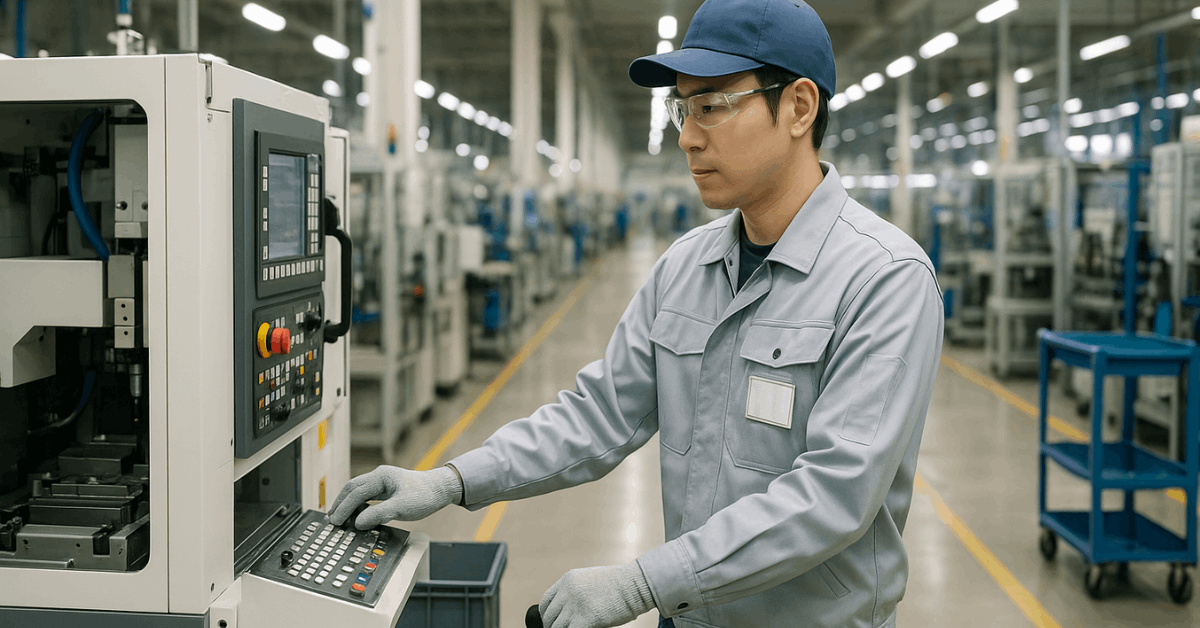
Operators set up and run presses, CNC stations, pick-and-place units, or packaging lines, monitoring quality and throughput. Baseline readiness includes tool safety, basic measurements, and routine checks for lubrication, temperature, and alarms.
Quality Control Inspector
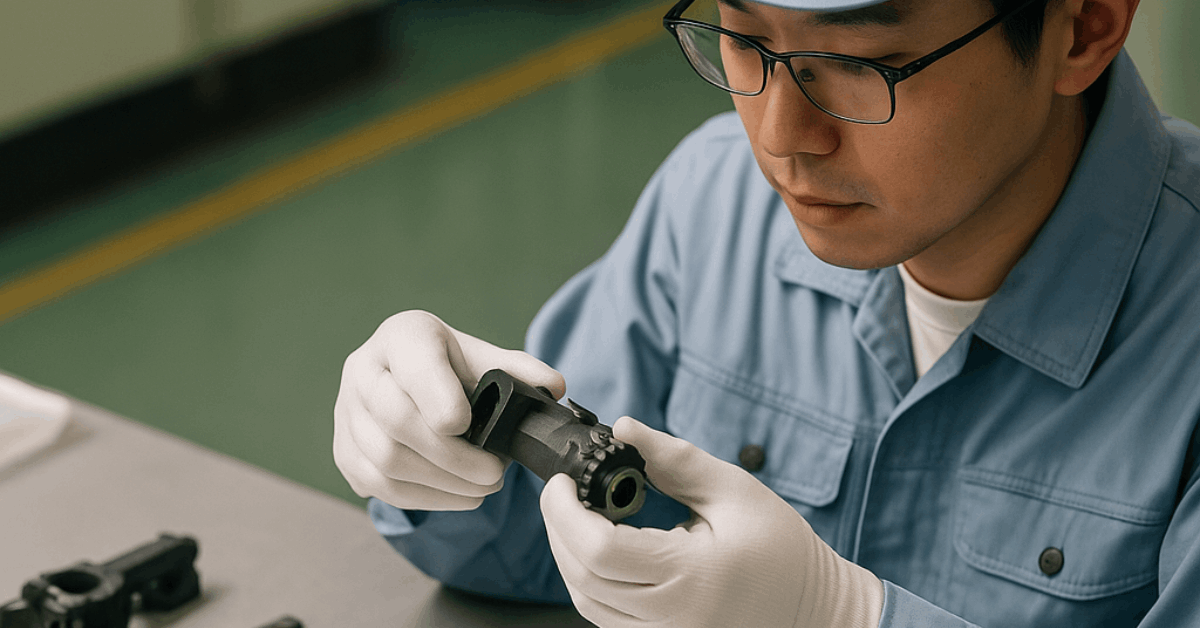
QC staff verify dimensions, finishes, weights, barcodes, and sample outputs against standards. Familiarity with calipers, micrometers, check sheets, and lot traceability helps you pass practical screenings.
Warehouse Worker
Warehouse teams receive materials, stage components, and dispatch finished goods. Daily work blends handheld scanners, inventory locations, carton handling, and simple documentation, often synced to production plans.
Forklift Operator
Licensed operators move pallets and bulk materials safely between loading bays and line-side racks. Many plants accept local conversion of home-country licenses, then require site evaluations and daily inspection logs.
Packaging Technician
Packaging work centers on product protection, labeling accuracy, and efficiency on end-of-line stations. Understanding of packing specs, lot codes, and seal checks keeps defects and returns down.
Eligibility and Typical Requirements
Hiring managers screen for basic education, six months or more of relevant experience, and consistent attendance records. High school or vocational completion usually satisfies education criteria, and short certificates for forklift, basic machining, or electrical safety strengthen applications.
Japanese language ability matters because instructions, hazard warnings, and incident reporting occur in Japanese; many employers expect at least everyday workplace comprehension even in entry roles.
Safety discipline, attention to detail, and adherence to standard work carry more weight than flashy achievements, because line balance depends on reliable execution. Several agencies sponsor 2 to 3 months of language training for first-time hires, which accelerates onboarding and reduces communication errors on the floor.
Visa Pathways For Factory Candidates
Strong candidates pick a legal route aligned to their background and the target plant’s job family.
Specified Skilled Worker (SSW i)
The Specified Skilled Worker visa covers occupations such as the manufacture of Industrial Products and the manufacture of Food and Beverages.
SSW i requires skills and language tests, ties status to the hiring company, and permits renewals within defined limits. SSW ii exists for higher skill tiers in select sectors and allows broader family rights, though factory roles commonly align to SSW i.
Technical Intern Training Program
The Technical Intern Training Program remains active during a multiyear transition toward a skills-focused replacement framework, with continued oversight on placement quality and host responsibilities.
Intern pathways center on skill transfer objectives, structured plans, and supervision, and typically involve progression to tests aligned with SSW categories.
Student-To-Work and In-Country Conversions
Some candidates complete language schooling in Japan, then secure plant roles through legal conversions to eligible statuses. This route suits those ready for tuition and living costs while building workplace Japanese and on-the-ground networks.
A reputable agency or employer should state the exact status offered, the test pathway if applicable, and post-arrival support, then issue compliant contracts in the candidate’s language, plus Japanese.
Salary, Shifts, and Benefits
According to current compensation benchmarks, the average factory worker salary in Japan sits near 2.93 million yen per year, about 1,409 yen per hour, with ranges shaped by region, shift schedule, and plant category.
Prefectural floors under the Japanese minimum wage 2025 decision lifted hourly pay in every prefecture above 1,000 yen, with the weighted national average set in the low 1,100s.
Automotive and electronics hubs that rely on overtime or night work generally show higher monthly totals than day-shift food processing or packaging roles.
Labor Standards Act
Overtime premiums follow the Labor Standards Act: at least 25 percent for overtime, at least 35 percent for work on statutory holidays, and higher rates once monthly overtime exceeds 60 hours in larger firms.
Late-night hours typically add 25 percent, and many plants rotate shifts weekly to balance fatigue and family routines.
Most full-time placements include social insurance enrollment, paid leave accrual, and commuting support; some plants offer dormitory accommodation or housing allowances tied to distance and shift timing.
How To Apply Through Licensed Recruiters
Candidates using agencies should follow a structured flow that keeps records complete and response times fast.
- Visit the agency’s job page and review the role, pay band, visa pathway, and site location carefully.
- Create an applicant account using a stable email address and a strong password that you can retrieve quickly.
- Open the verification email and activate the account to enable submissions and status tracking.
- Log in, confirm identity details, and move to the application dashboard for the target posting.
- Upload a resume in PDF form, then check that the filename, date, and phone number appear correctly.
- Complete required fields covering identity, address, nationality, target job type, education, employment history, work permits, and up to ten skills.
- Save your profile and submit the application, then monitor your mailbox and dashboard for further instructions.
Applicants based in the Philippines should prioritize DMW-accredited agencies for protection, contract verification, and enforcement support.
Candidates in other countries should seek equivalent government-licensed recruiters and verify current registration numbers.
Screening Tips and Common Mistakes To Avoid
Resumes that highlight stable attendance, production metrics, and safety participation read stronger than generic task lists. Including simple figures such as average hourly output, first-pass yield, or zero-incident months helps hiring teams validate performance.
Language training matters, so enroll early and track weekly hours studied, target vocabulary, and mock test scores. Communication discipline also counts; set a daily window to reply to agencies, keep documents named clearly, and update availability when shifts change at your current job.
Medical fitness certificates, police clearances, and authenticated education records often gate interview scheduling. Delay arises when names, dates, or seals mismatch across passports, certificates, and application forms.
Regional Hiring Snapshots
Aichi and neighboring prefectures remain the nation’s automotive core, where assembly, stamping, and parts suppliers rotate day, night, and mixed shifts to meet export schedules.
Shizuoka and Yamanashi show steady needs around food and beverage plants, packaging materials, and small appliances. Hiroshima and Kyushu maintain transport equipment clusters that depend on coordinated line staffing, forklifts, and QC teams.
Hokkaido’s food processing centers hire seasonally for seafood and agricultural products, often emphasizing hygiene training, cold-room readiness, and packaging accuracy. Kansai electronics and precision parts plants continue to post line and inspection roles, with emphasis on small-parts handling and anti-static controls.
French-Speaking Candidates: What To Expect
Francophone applicants find that factory postings evaluate Japanese ability above other languages because safety and line communication rely on Japanese.
The Francophone Mobility framework used in Canadian hiring does not apply in Japan, so the practical route remains a Japan-based visa category, such as the Specified Skilled Worker visa or ongoing Technical Intern Training Program tracks.
Agencies that serve French speakers generally pair language classes, safety glossaries, and interview drills to accelerate readiness for line assignments.
2025 Outlook and Action Plan
Map role targets and shortlist two sectors that fit your experience and shift preferences.
- Enroll in language classes focused on safety vocabulary, work instructions, and incident reporting.
- Gather documents in a single folder that includes a passport, education records, licenses, and police clearances.
- Pre-test for SSW where applicable, then book official exams through credible organizers to validate eligibility.
- Apply through screened recruiters and confirm written details of pay, overtime, housing, insurance, and deductions.
- Prepare physically for standing shifts through conditioning, hydration planning, and sleep routines suited to rotations.
- Track updates on minimum wages, overtime standards, and prefectural allowances to benchmark offers accurately.
- Commit to arrival schedules and onboarding timetables that match plant ramp-ups and training calendars.
Quick Facts and Ranges
The average factory worker’s salary in Japan sits near 2.9 to 3.0 million yen annually, depending on shift patterns and prefecture. Entry roles commonly start near local floors, then rise through night work, skills allowances, and attendance incentives.
Agencies sometimes list no Japanese required jobs for tightly supervised lines, yet most employers still prefer spoken comprehension for safety.
Recruiters advertise factory jobs hiring in Japan in waves, aligned to new lines, seasonal demand, and maintenance shutdown recoveries. Competitive applicants frame experience in concrete terms, cite consistent attendance, and present test results or licenses that shorten training time.
Last Thoughts
Set a clear factory target and match language, safety, and visa requirements ahead of interviews. Align documents, tests, and agency checks with the plant’s shift plan to keep onboarding smooth.
Treat JLPT study and SSW preparation as weekly habits, then show proof through scores, licenses, and attendance records. Verify recruiter accreditation, confirm housing and deductions in writing, and keep a single folder of vetted IDs, certificates, and clearances.
Track prefectural wage floors, overtime premiums, and night rates to benchmark offers realistically. Step into 2025 with a firm plan, a clean profile, and the stamina employers expect on Japan’s shop floors.