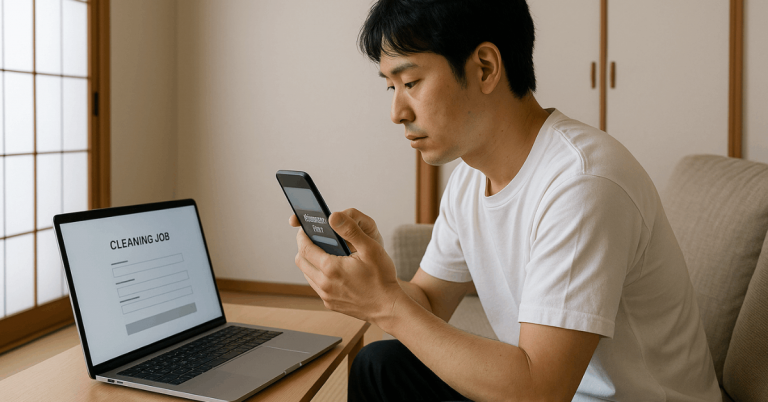
Caregiver jobs in Japan play a key role in supporting the country’s growing elderly population and long-term care system.
These roles involve assisting with daily activities in care facilities, hospitals, and private homes, following clear routines and care standards.
This guide explains what caregiver jobs involve, who can apply, and what to expect before starting work.
Understanding Caregiver Jobs in Japan
Caregiver jobs in Japan focus on supporting elderly or disabled individuals with daily living needs rather than providing medical treatment.
These roles follow structured routines, clear care standards, and teamwork within regulated care environments.
- Assisting with daily activities such as eating, bathing, dressing, and mobility
- Supporting clients’ routines while maintaining dignity and comfort
- Monitoring physical condition and reporting changes to supervisors
- Helping with basic household tasks like cleaning and laundry
- Communicating with coworkers, nurses, and care managers
- Following safety, hygiene, and documentation procedures
Who Can Apply for Caregiver Jobs
Caregiver roles in Japan are open to applicants who meet legal work requirements and can handle care-related responsibilities.
Employers prioritize eligibility, availability, and basic communication ability.
- Japanese nationals – Citizens legally allowed to work without visa restrictions.
- Permanent residents – Foreign residents with unrestricted work authorization.
- Valid work visa holders – Foreign residents whose visa permits caregiving duties.
- Specified Skilled Worker (Caregiving) – Applicants who passed the required skills and language exams.
- Licensed caregivers – Workers holding recognized caregiving qualifications in Japan.
- No-experience applicants – Individuals willing to train and follow care procedures.
- Basic Japanese speakers – Applicants able to understand instructions and communicate with clients.

Visa and Work Eligibility Basics
Legal eligibility to work as a caregiver in Japan depends on visa status and compliance with immigration rules.
Confirming these requirements early helps avoid application delays and employment issues.
- Specified Skilled Worker (Caregiving) – Allows full-time caregiving work after passing skills and language exams.
- Caregiver (Kaigo) Work Visa – For licensed professionals who completed recognized training in Japan.
- Student Visa – Permits part-time caregiving work within legal hour limits and with work permission.
- Dependent Visa – Requires separate approval to engage in paid caregiving work.
- Valid Residence Card – Must be current and presented to employers before hiring.
- Work Hour Restrictions – Limits apply depending on visa type and employment category.
Language Skills and Communication Needs
Caregiver roles require clear communication with clients, coworkers, and supervisors. Language ability affects daily tasks, safety, and hiring decisions.
- Basic Japanese understanding – Needed to follow instructions and care routines.
- Speaking ability – Required for simple conversations with clients and staff.
- Listening skills – Important for understanding needs, requests, and warnings.
- Care-related vocabulary – Common terms used during daily assistance tasks.
- Polite language usage – Expected when interacting with elderly clients and families.
- JLPT reference level – N4 to N3 is commonly expected for entry-level roles.
Required Certifications and Training
Training requirements depend on the role level and long-term career goals.
Some positions allow entry without certification, while others require formal qualifications.
- Entry-level training – Basic instruction provided by employers after hiring.
- Initial Care Worker Training – Introductory courses for beginners in caregiving work.
- National Care Worker Certification – Required for advanced roles and career progression.
- Employer-sponsored programs – Training and exam support offered by some facilities.
- On-the-job training – Practical skill development through daily work and supervision.
Where Caregiver Jobs Are Available
Caregiver roles are available across different care settings, depending on the service type and location.
Demand is strongest in facilities that support elderly and disabled individuals.
- Nursing homes – Residential facilities providing long-term care services.
- Eldercare facilities – Centers focused on daily assistance and supervision.
- Home-visit care services – Support provided directly in private residences.
- Hospitals – Non-medical care support roles for patients.
- Group homes – Small-scale living facilities for people with disabilities.
How the Application Process Works
Most caregiving employers follow a clear and structured hiring process. The focus is on eligibility, availability, and readiness to work assigned shifts.
- Submit an application – Apply through job websites, agencies, or facility listings.
- Initial screening – Receive a call or message to confirm basic details.
- Interview – Attend a short interview focused on motivation and availability.
- Document check – Present required identification and residency documents.
- Job offer – Review terms, schedule, and responsibilities.
- Orientation and training – Complete basic training before starting work.
Documents and Preparation Checklist
Preparing documents in advance helps speed up screening and onboarding.
Most caregiving employers request basic identification and work-related paperwork.
- Residence card – Shows valid visa status and expiration date.
- Passport or photo ID – Used for identity verification when required.
- Resume – Simple format, often in Japanese.
- My Number – Required for tax and payroll registration.
- Japanese bank account – Needed for salary deposits.
- Local contact details – Phone number and current address.

Pay, Working Hours, and Benefits
Compensation and schedules vary depending on facility type, location, and role level. Employers usually explain pay structure and benefits clearly before hiring.
- Hourly pay – Commonly ranges from ¥1,100 to ¥1,600 based on experience and shift type.
- Monthly salary – Offered for full-time roles, often higher for licensed caregivers.
- Working hours – Shift-based schedules, including daytime, early morning, and night shifts.
- Overtime pay – Paid according to labor law, usually at a higher hourly rate.
- Transportation allowance – Many employers cover commuting costs.
- Additional benefits – May include training support, uniform provision, and social insurance.
What the Job Is Really Like
Daily caregiving work follows set routines and requires physical effort and focus. Knowing what to expect helps you prepare before starting.
- Physical tasks – Assisting with lifting, moving, and supporting clients.
- Standing work – Long periods on your feet during shifts.
- Routine-based duties – Repeating care tasks according to set schedules.
- Team coordination – Working closely with coworkers to manage care flow.
- Emotional situations – Supporting elderly clients with patience and awareness.
Short-Term, Part-Time, and Entry Pathways
Not all caregiving roles require long-term commitment at the start. These options allow gradual entry while gaining experience.
- Part-time caregiver roles – Limited hours with flexible shift options.
- Training-linked positions – Jobs combined with basic caregiving instruction.
- Trial or probation roles – Short evaluation periods before full hiring.
- Student-friendly work – Part-time roles within legal hour limits.
- Entry-level facility support – Assisting staff with basic non-medical tasks.
Pros and Cons of Caregiver Work in Japan
Caregiver roles offer stability but also present clear challenges. Weighing both sides helps you decide if the work fits your goals.
Pros
- High demand – Consistent need for caregivers across facilities.
- Job stability – Long-term employment opportunities are common.
- Career pathways – Certification can lead to higher roles and pay.
- Training support – Many employers provide structured training.
- Meaningful work – Daily tasks directly support people’s quality of life.
Cons
- Physical strain – Lifting and long hours on your feet are common.
- Emotional pressure – Working with elderly or vulnerable clients can be demanding.
- Shift schedules – Night, weekend, and holiday shifts may be required.
- Language demands – Communication expectations increase with responsibility.
Career Growth and Long-Term Options
Caregiving roles can lead to long-term career paths with proper training and experience.
Progression depends on certification, language ability, and workplace performance.
- Skill advancement – Developing practical care and communication skills over time.
- Certification pathways – Moving toward national care worker qualifications.
- Senior caregiver roles – Taking on mentoring or supervisory responsibilities.
- Facility management support – Assisting with care planning and coordination.
- Visa stability options – Long-term work visas available for qualified caregivers.
To Sum Up
Caregiver work offers stable employment, clear career paths, and opportunities to build practical skills in a high-demand field.
Understanding eligibility, preparation, and daily responsibilities helps you apply with confidence and avoid common setbacks.
Start reviewing openings, prepare your documents, and take the next step toward a caregiver role that matches your goals.