Convenience store jobs in Japan are one of the easiest ways for you to start working, especially if you are a student or a foreign resident.
These roles offer flexible shifts, simple entry requirements, and steady demand nationwide.
This guide explains how you can apply, what to prepare, and what to expect before you start.
Understanding Convenience Store Jobs in Japan
Convenience store work in Japan follows a standardized system that is easy for new workers to learn.
Stores operate long hours and rely on part-time staff to cover rotating shifts. The work focuses on consistency, speed, and basic customer service.
- Store environment: Clean, organized, and fast-paced, with clear rules and routines you follow every shift.
- 24-hour operations: Most stores operate day and night, offering flexible scheduling options.
- Standardized tasks: Duties are similar across major chains, making it easier for you to adapt.
- Team-based work: You work with a small team and follow instructions from a shift leader or manager.
Common Job Roles and Duties
Convenience store roles in Japan are clearly defined and focus on daily store operations.
You are trained to handle multiple tasks depending on your shift and store needs. The work is practical and follows set procedures.
- Cashier and customer service: You handle payments, greet customers, and assist with basic requests.
- Stocking and inventory: You restock shelves, rotate products, and check expiration dates.
- Food preparation: You prepare simple items such as fried foods, hot snacks, or packaged meals.
- Cleaning and maintenance: You clean floors, counters, and equipment to keep the store orderly.
- Delivery handling: You receive shipments, check items, and store products correctly.

Who Can Apply
These jobs are open to a wide range of applicants and are often used as entry-level work.
Eligibility depends mainly on your legal status and availability. Prior experience is usually not required.
- Japanese citizens: Can apply without restrictions on hours.
- Foreign residents: Must hold a valid residence status that allows work.
- International students: Can apply with work permission and within legal hour limits.
- Permanent residents and spouses: Can work freely without hour restrictions.
- Working adults seeking part-time work: Can apply for extra or flexible income.
Visa and Work Eligibility Basics
Before you apply, you must confirm that your visa allows you to work in Japan. Employers will check your status to avoid legal issues.
Understanding these basics helps you apply with confidence.
- Student visa: Requires a work permit and limits you to up to 28 hours per week.
- Working visas: Only certain categories allow part-time or secondary employment.
- Permanent resident visa: Allows unrestricted work without hour limits.
- Spouse or dependent visa: May allow work, but in some cases requires permission.
- Work permission stamp: Must be shown on your residence card if required.
Language Skills and Communication Needs
Basic communication skills are important because you interact with customers and coworkers every shift.
You do not need perfect Japanese, but you must understand simple instructions. Clear communication helps you work faster and avoid mistakes.
- Basic Japanese phrases: Needed for greetings, payments, and simple questions.
- Listening skills: Important for following instructions from supervisors.
- Customer interaction: Short and polite responses are expected.
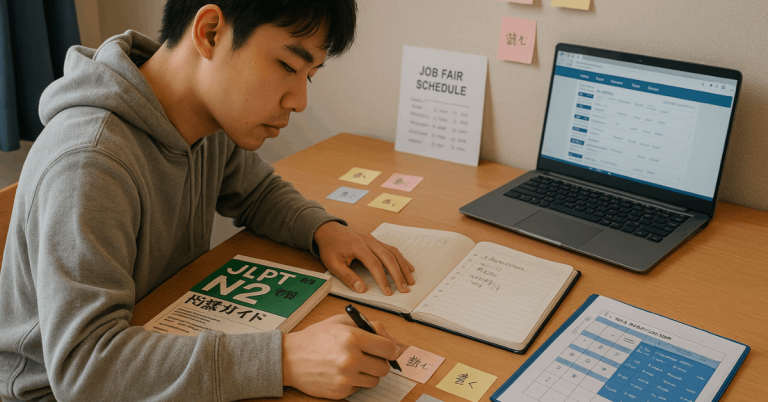
- Reading ability: Helps with labels, notices, and shift schedules.
- Willingness to learn: Language skills usually improve through daily work and training.
Pay, Hours, and Work Conditions
These jobs offer predictable pay and flexible scheduling across Japan. Conditions are standardized and follow labor rules.
You are paid by the hour and assigned shifts based on availability.
- Hourly pay: Usually ranges from ¥1,000 to ¥1,300 depending on location.
- Late-night premium: Shifts after 10:00 PM often pay higher rates.
- Shift length: Common shifts last between 3 to 8 hours.
- Work schedule: Weekdays, weekends, and holidays are available.
- Work environment: Standing work with clear procedures and regular breaks.

Where to Find Convenience Store Job Openings
Openings are easy to find because hiring happens year-round. Using specific platforms helps you apply faster and target nearby locations.
Combining online and in-person methods improves results.
- Job websites and apps: Platforms like TownWork, Baitoru, and MyNavi Baito list hourly roles with filters for location and shift.
- In-store posters: Hiring signs posted near entrances or counters often include contact numbers or QR codes.
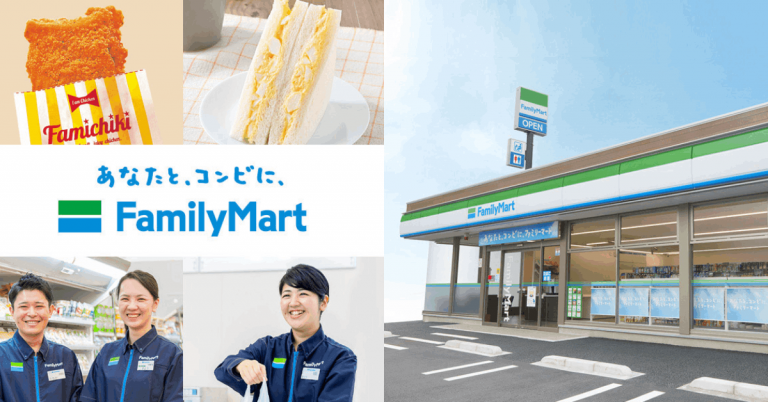
- Official chain websites: Major chains such as 7-Eleven, FamilyMart, and Lawson publish openings by prefecture.
- Walk-in inquiries: Asking directly at nearby stores is common and sometimes leads to same-day interviews.
- Recruitment agencies: Local staffing agencies help place applicants in retail roles with flexible schedules.
How the Application Process Works
The application process is usually simple and moves quickly. Most employers follow the same steps across locations. Preparing in advance helps you respond faster.
- Submit an application: Apply online, by phone, or in person with basic personal details.
- Initial contact: The store or manager contacts you to confirm availability.
- Interview: A short interview checks your schedule, visa status, and communication ability.
- Trial or explanation: Some stores explain duties or offer a short trial shift.
- Final decision: You receive confirmation and a start date if accepted.
Documents You Need to Prepare
Having your documents ready speeds up the application and hiring process.
Employers will check your identity and work eligibility before confirming your start date. Missing documents can delay approval.
- Residence card: Shows your visa type and work permission status.
- Passport: Used to confirm your identity and personal details.
- Work permission document: Required if your visa has work restrictions.
- My Number: Sometimes requested for payroll and tax purposes.
- Contact details: Phone number and address for scheduling and records.
What the Job Is Really Like
This work is straightforward but requires focus and consistency. You are expected to follow routines and respond quickly during busy hours.
Understanding the daily reality helps you decide if it suits you.
- Fast-paced shifts: Busy periods happen during mornings, evenings, and late nights.
- Standing work: You remain on your feet for most of the shift.
- Customer pressure: You must stay polite even during rush hours.
- Multi-tasking: You handle several tasks at the same time.
- Clear rules: Procedures are strict and must be followed every shift.
Pros and Cons of Convenience Store Jobs
These jobs are popular because they are easy to access and widely available. At the same time, they come with clear demands that may not suit everyone.
Reviewing both sides helps you make a realistic decision.
Pros
- Flexible shifts: You can choose schedules that fit study or personal time.
- Easy entry: Most positions do not require prior experience.
- Stable demand: Stores hire year-round in most areas.
- Quick hiring: Applications and interviews often move fast.
Cons
- Physical workload: Long hours of standing can be tiring.
- Busy periods: Rush hours can be stressful.
- Late-night shifts: Some schedules may affect sleep and routine.
- Language pressure: Customer interaction requires basic Japanese skills.
Pay Overview
Pay is hourly and depends on location, shift time, and store policy. Rates are clearly stated before you start working.
Understanding pay structure helps you plan your budget.
- Base hourly wage: Usually starts around ¥1,000 in most areas.
- Urban areas: Higher rates are common in major cities.
- Late-night pay: Shifts after 10:00 PM often include a premium.
- Weekend and holiday work: Some stores offer slightly higher rates.
- Payment schedule: Wages are usually paid monthly or biweekly.
Final Takeaway
Convenience store jobs in Japan offer flexible hours, clear requirements, and steady opportunities for many applicants.
With the right documents and basic preparation, you can apply confidently and understand what to expect.
Start checking nearby openings and submit your application to begin your job search today.